
I document real hair transplant experiences on Hair Transplant Turkey Guide. I underwent a 3,800-graft FUE hair transplant at Clinicana Hair Transplant & Esthetic Surgeries in Istanbul. This review is built to help you decide whether Clinicana is the right clinic for you — using my complete experience from consultation through 12 months of results as the evidence.
Hair loss results depend heavily on your starting point, so here's the exact context behind every judgement in this review:
| Age at procedure | 43 |
| Norwood stage | 3 (hairline & temples) |
| Hair type | Straight, medium-brown |
| Graft count | 3,800 (FUE) |
| Goals | Re-establish hairline lost ~10 yrs ago |
| Procedure & date | Clinicana, Istanbul — Jan 2025 |
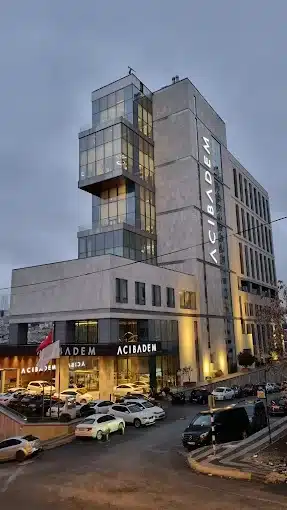
Clinicana is a legitimate, hospital-based hair transplant clinic operating inside Acıbadem Taksim Hospital in Istanbul. It sits in the mid-price tier of the Turkish market (€2,500–€3,000 for up to 5,000 grafts) — more expensive than budget standalone clinics, far cheaper than boutique surgeon-only practices.
My FUE procedure cost €2,850, delivered a natural, age-appropriate hairline, and at 12 months shows an estimated 85–90% graft survival rate. It is not a scam, not a miracle clinic, and not for everyone. It's a solid, high-volume, hospital-backed option for patients who understand the technician-assisted model and have realistic expectations about the 12–18 month results timeline.
| Best for | Hospital safety + all-inclusive pricing |
| Not for | Surgeon-only, boutique-style care |
Is Clinicana Right for You?
Rather than a generic pros-and-cons list, here's how Clinicana maps to actual patient priorities. Compared with the wider Turkish market — where clinics range from budget standalone operations to premium boutique practices — Clinicana occupies a specific niche: hospital infrastructure at high-volume pricing.
Clinicana is likely a good fit if you:
If most of those describe you, Clinicana is worth shortlisting. If not, the next section will likely resonate more.
Who Should Avoid Clinicana?
Clinicana may not suit you if you:
Patients in these categories should look at boutique clinics with lower volumes and greater surgeon involvement, even at a higher price point.
Pros and Cons of Clinicana
Before, 6 Months & 12 Months: My Results Over Time


Why I Chose Clinicana
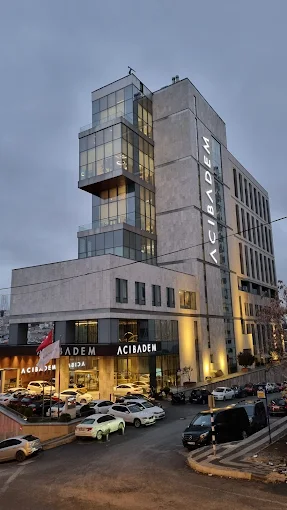
A hospital-based procedure, at mid-range pricing, with a JCI-accredited safety net that standalone "hair mill" clinics can't offer.
Clinicana operates as a clinic brand within Acıbadem Taksim Hospital, part of Acıbadem Healthcare Group — one of Turkey's largest private healthcare networks, holding Joint Commission International (JCI) accreditation (reviewed every three years) and ISO 9001 certification. The hospital sits in the Beyoğlu district of Istanbul (Sıraselviler Caddesi No: 119), with the clinic's partner hotel (Naz City Hotel Taksim) roughly 200 metres away — a 2–3 minute walk, with a free shuttle also available.
Turkey has over 500 hair transplant clinics, and standards vary enormously. A hospital setting means hospital-grade sterilisation, an on-site emergency response, and stricter government inspection than a standalone commercial clinic faces. For a 6-hour procedure involving anaesthesia, that infrastructure isn't a nice-to-have.
It's the reason "Clinicana scam" searches don't hold up. Clinicana operates under Turkish Ministry of Health licensing and is not a scam.
This level of infrastructure and accreditation typically comes with high patient throughput, which shapes almost everything else in this review — including how the surgical team is structured and how pricing compares to the rest of the market.
If hospital-grade safety net matters more to you than boutique-style intimacy, this is a genuine point in Clinicana's favour. If you're indifferent to the hospital-vs-standalone distinction, it matters less and the technician model becomes the bigger deciding factor.
My Complete Experience: Procedure Day by Day
Driver met me at Istanbul Airport with a name sign. Quick stop at the clinic for blood tests and initial deposit (€300). Transfer to Naz City Hotel Taksim. Received WhatsApp confirmation of an 8:00am procedure time the next day.
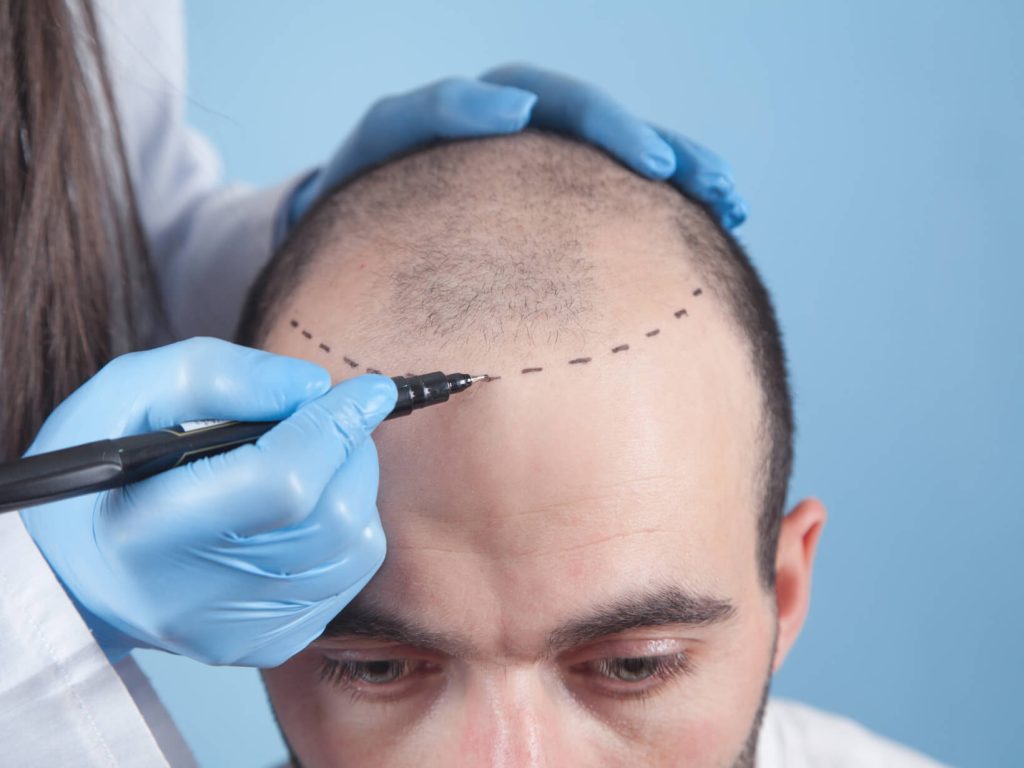
Met Dr. Soner Tatlıdede's team for a final consultation. Surgeon examined my scalp and confirmed the 3,800 graft count. Hairline design took approximately 20 minutes — the surgeon followed my forehead muscles for a natural appearance. Donor area shaved and extraction zones marked. Final questions answered (I asked about graft survival rates and whether I'd need a second procedure).
Local anaesthesia injections administered — initial stings for roughly 30 seconds (comparable to a bee sting), then completely numb. Offered Xanax — I accepted, and highly recommend it. It kept me relaxed throughout.
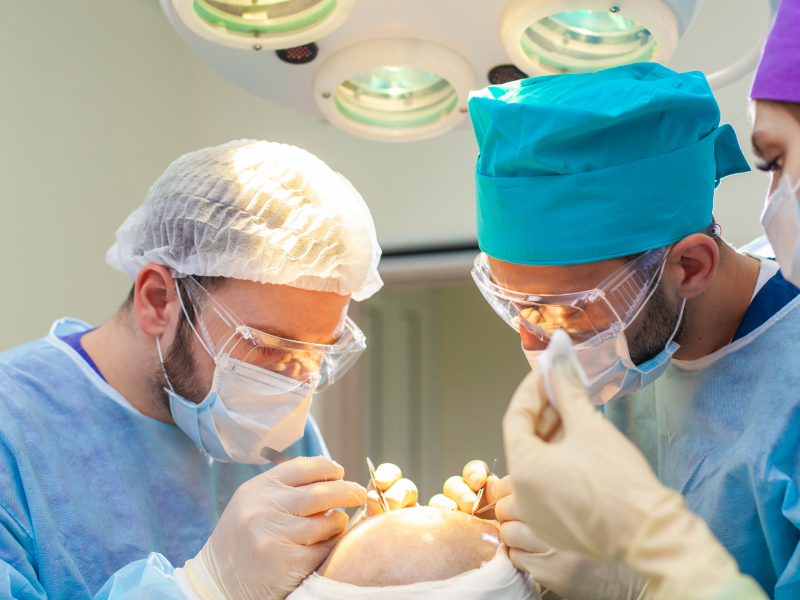
Lay face-down while technicians extracted individual follicular units from the donor area. Completely painless after the anaesthesia took effect. 3,800 follicular units extracted over approximately 3 hours, with a short lunch break around 12:30pm.
Lay face-up while the surgeon created channels and the team placed each graft to match my natural hair growth pattern — still completely painless. I watched the surgeon work in a mirror during channel creation: professional and meticulous.
Head bandaged; medications and aftercare instructions provided, along with what to expect during recovery. The donor area felt like mild sunburn — paracetamol resolved it.
Graft count: 3,800 follicular units | Classification: Norwood 3 (receding hairline, temple recession) | Age at procedure: 43 | Areas treated: frontal hairline and temples

Who Actually Performs the Surgery? Surgeon vs Technician
This is the single most important question to resolve before booking with any Turkish clinic, and it's where Clinicana's model differs most from boutique alternatives.
Lead Surgeon: Dr. Soner Tatlıdede, Chief Plastic Surgeon, designed my hairline, ran my initial consultation, and supervised the procedure. Trained Technicians performed graft extraction and implantation under surgeon supervision. An Anaesthesiologist administered local anaesthesia and monitored me throughout. Patient Coordinator Chinara Farzalieva managed my journey from consultation through follow-up.
Initial consultation and scalp assessment, hairline design, graft count determination, procedure supervision, and quality control of placement density and angle.
Follicular unit extraction, graft preparation and storage, channel creation (in some cases), and graft implantation.
This division of labour is how Turkish clinics achieve competitive pricing at high procedure volumes — it's standard practice, not a shortcut unique to Clinicana. Boutique clinics charging €4,000–€10,000+ typically sell surgeon-only involvement as their core differentiator; Clinicana's mid-range pricing reflects the opposite choice.
My hairline looks natural at 12 months because an experienced surgeon designed it — spending roughly 20 minutes drawing it by hand, following the natural contour of my forehead muscles rather than a preset template. The technicians executed that design skilfully under his oversight.
If you want the surgeon's hands on every graft, this isn't your clinic — look at boutique options instead. If you're comfortable with surgeon-designed, technician-executed procedures (the norm across most of the Turkish market), Clinicana's execution held up well in my case.
Cost & Value: What I Paid and What It's Worth
Clinicana uses fixed-price packages rather than per-graft pricing — a model that covers up to 5,000 grafts at the same price, which benefits patients needing higher graft counts.

Package Pricing (2026)
| Package | Price (EUR) | Hotel Nights | Notable Inclusions |
|---|---|---|---|
| Basic | €2,500 | 2 nights | Standard inclusions |
| Standard ⭐ | €2,850 | 2 nights | Most popular option |
| Premium | €3,000 | 3 nights | Upgraded products, extra hotel night |
All consultations · FUE/DHI/Sapphire procedure (up to 5,000 grafts) · Hotel accommodation · VIP airport transfers · Hotel–clinic transfers · Blood tests & medications · Aftercare products · English-speaking coordinator · First scalp wash at clinic · WhatsApp follow-up · Growth guarantee (get written terms)
Flights (I paid ~£295 from the UK) · Evening meals (breakfast included, dinner isn't) · Optional serums/supplements (Clinicana Serum, €90) · Travel insurance
My Total Cost
| Item | Cost |
|---|---|
| Standard Package | €2,850 (~£2,400) |
| Flights (UK return) | £295 |
| Evening meals (3 nights) | ~£85 |
| Clinicana Serum (optional) | ~£75 |
| Total | ~£2,855 |
Where Clinicana Sits in the Market
Turkish hair transplant pricing varies mainly by clinic reputation and volume, hospital vs standalone setting, surgeon involvement level, technique, and package inclusions.
Clinicana's pricing sits mid-range for hospital-based Istanbul clinics — above the cheapest standalone operators (often under €1,500, which can indicate less experienced staff or lower hygiene standards), well below boutique, surgeon-only practices (€4,000–€10,000+).
Given the JCI-accredited hospital setting, that mid-range price felt like genuine value rather than a compromise.
My Results Timeline & 12-Month Assessment
Hair transplant results develop gradually over 12–18 months. Here is my documented timeline.
Procedure completed. Scalp swollen and tender. Donor area resembled mild sunburn. Recipient area covered with freshly implanted grafts visible as small dots. Wore a protective headband. Took paracetamol for minor donor area discomfort.
First scalp wash at the clinic. A medical technician demonstrated gentle washing technique for the next 2 weeks. Received a headband to prevent swelling; swelling developed after removing it early — ice resolved it quickly.
Scabbing covered the recipient area. Followed washing instructions carefully. Donor area redness fading. Slight soreness felt like sunburn — used the cream recommended by the clinic. Stayed home during this phase.
Scabs fell off during gentle washing after day 7; by week 3 they were completely gone. The transplanted hair looked decent at this point — I hoped I'd avoid the shedding phase. I was wrong.
This was the hardest part of the whole journey. Shock loss is a medically expected phase where transplanted hair shafts fall out before new growth begins. The follicles remain healthy beneath the scalp — only the visible hair sheds.
My shock loss was significant. By month 3, my head looked thinner than before the procedure. This phase was psychologically difficult despite knowing it was normal, and I wore a cap whenever leaving the house.
I messaged Clinicana's WhatsApp support in a panic. They responded within hours: "This is completely normal. 90% of patients experience shock loss. Your follicles are healthy — only the visible hairs shed before regrowth."
Tiny hairs started sprouting from transplanted follicles. Growth appeared thin initially. Scalp fully healed. Continued wearing a cap in public.
Hair density increased noticeably. Stopped wearing a cap. Started receiving compliments from people who didn't know about the procedure — they assumed I was using good hair products.
My hairline was clearly visible, natural-looking, and continuing to improve. Hair could be styled normally, and the design already looked age-appropriate.
Twelve months on, results are close to fully mature. Density has continued to thicken since month 7, fine hairs have coarsened and gained pigment, and the hairline holds up in direct sunlight, in photographs, and up close. This is the assessment point I flagged back at month 7 as the one worth waiting for — see my full breakdown below.


This is the assessment point I flagged back at month 7 as the one worth waiting for. Across the frontal hairline and temple areas — the full recipient zone — growth is consistent, with no gaps or patchy corridors that would indicate follicle loss during extraction or implantation. Based on appearance and coverage, I estimate survival in the 85–90% range, which aligns with the 85–95% commonly cited for well-executed FUE.
Density is now consistent across the whole recipient area, not just the frontal zone. Hair shafts that were still fine and immature at month 7 have coarsened and gained pigment, so the difference under harsh overhead lighting is far less noticeable than it was earlier in the year.
On the donor side: no visible patching or uneven density even at a short clipper grade, and no signs of overharvesting.
The crown was outside my treatment plan entirely (my Norwood 3 pattern didn't require it), so I can't assess it. Patients with crown involvement should expect slower, sparser growth there, due to the different growth angle and blood supply — a consideration boutique clinics specialising in crown work may handle differently.
Post-Operative Care and Recovery Protocol

A clear medication and aftercare pack, plus structured follow-up.
I received antibiotics (standard, to prevent infection at extraction and implantation sites), anti-inflammatory medication for post-procedure swelling, and paracetamol for donor area discomfort. Pain was minimal — the donor area felt like sunburn for 24–36 hours, and over-the-counter paracetamol was sufficient.
Sleeping instructions for the first week specified keeping the head elevated at roughly 45 degrees using the provided travel pillow, to reduce swelling migration toward the forehead. My forehead still swelled noticeably on day two despite following the protocol — worth knowing in advance so it doesn't alarm you. Washing instructions were demonstrated in person at the clinic on day two: a saline spray to loosen scabbing, followed by gentle application of the provided foam. No rubbing or direct water pressure on the grafts for the first ten days; normal (gentle) washing resumes after day ten.
Handled via WhatsApp, with check-ins at one month, three months, and six months requesting photos. Response time when I messaged with concerns during shock loss was within a few hours — genuinely reassuring during a psychologically difficult phase.
The protocol is standard and well-executed, but follow-up is remote (WhatsApp), not in-person. If you specifically want a clinic with local, in-person aftercare, factor that into your decision.
What Other Patients Consistently Report
Everything above is my own experience. It's worth separating that from what the wider Clinicana patient base reports across Google Reviews, Trustpilot, Reddit, the Hair Restoration Network, and YouTube patient diaries. These are recurring patterns across many independent accounts, not individual quotes.

Smooth logistics — airport transfers, hotel proximity, English-speaking coordination consistently praised · Hospital environment noted as reassuring · Natural-looking hairlines reported at 6+ months · Strong perceived value vs Western quotes
Technician model surprises patients who didn't register it beforehand · Surgeon interaction relatively brief · Communication occasionally slow during busy periods · Clinic can feel rushed given volume · Some density expectations outpace donor supply
Common Complaints and Negative Reviews Explained
Negative reviews exist for Clinicana, as they do for any high-volume clinic. Understanding the common complaints helps set realistic expectations before you compare it against alternatives.
Density Complaints
Complaint: "My hair isn't as thick as I expected."
Context: Hair transplants redistribute existing follicles — they don't create new ones. Patients with limited donor hair can't achieve unlimited density, and some patients assess results too early (full density takes 12–18 months).
My perspective: my 3,800 grafts provide good coverage for a Norwood 3 pattern. It's not teenager-thick hair, but a dramatic improvement. Patients wanting maximum density may need a second procedure, or should choose a clinic specialising in high-density work at a higher cost.
Unrealistic Expectations
Complaint: "I wanted my hairline lower."
Context: Ethical surgeons refuse inappropriately low hairlines because they look unnatural as patients age and can't be sustained long-term due to ongoing native hair loss. Clinicana's surgeons design age-appropriate hairlines — which disappoints patients seeking aggressive restoration, but is the right medical call.
Communication Issues
Complaint: "Communication could be better."
Context: High-volume clinics manage hundreds of patients monthly, so response times may lag behind boutique clinics with lower patient loads. My experience: WhatsApp responses typically arrived within 24 hours — acceptable, but not instant.
Technician Involvement
Complaint: "Technicians did most of the work, not the surgeon."
Context: standard practice across Turkish high-volume clinics generally, not unique to Clinicana. The surgeon designs the hairline, sets the graft count, supervises, and quality-checks; technicians handle extraction and implantation. Patients wanting surgeon-only procedures should look to boutique clinics at significantly higher cost — see the comparison table below.
Clinicana vs Other Hair Transplant Clinics in Turkey
| Factor | Clinicana | High-Volume Competitors | Boutique Clinics |
|---|---|---|---|
| Setting | Hospital-based (Acıbadem) | Often standalone clinics | Private surgical suites |
| Surgeon Involvement | Design + supervision | Varies widely | Often surgeon-performed |
| Patient Volume | High volume | 100+ per week | 5–15 per week |
| Price Range | €2,500–€3,000 | €1,500–€2,500 | €4,000–€10,000+ |
| Accreditation | JCI, ISO 9001 | Varies | Often private certification |
Hospital vs. standalone: Clinicana's hospital setting provides emergency access and regulatory oversight that standalone clinics lack — this matters more for risk-averse patients than for those chasing luxury.
Volume considerations: high volume means technicians who've performed thousands of procedures, but less personalised attention. Neither is inherently better — it depends on your priorities.
Pricing reality: Clinicana's mid-range pricing reflects hospital overhead and professional standards. Very cheap options often cut corners on hygiene, equipment, or staff training; premium options buy you surgeon-only procedures and lower volumes.
Long-Term Hair Loss Management

A hair transplant isn't a permanent cure for hair loss — it redistributes follicles genetically resistant to DHT. Native hair behind and around the transplanted zone will keep thinning for most patients. A clinic that doesn't address this openly is leaving you underprepared.
During my pre-procedure consultation, Dr. Tatlıdede raised future hair loss directly: native hair behind my transplanted frontal zone could recede further, potentially making a second procedure advisable in five to ten years. He also noted the graft count was set deliberately to preserve donor reserves for a future session — not maximised to inflate the headline graft number.
Finasteride was discussed as the primary medical option for slowing further native hair loss, with minoxidil mentioned as a complementary topical treatment. Neither was aggressively sold — both were presented as tools to consider alongside the transplant, not instead of it.
What Surprised Me Most

If I'm honest, the thing nobody properly prepared me for wasn't the procedure itself. It was month 3.
I knew shock loss was "normal." I'd read the word in three different clinic brochures before I ever got on a plane. Knowing it intellectually didn't stop the moment I looked in the mirror and genuinely thought I'd made things worse. That's the bit I'd tell a friend before anything else: the hardest part of this journey isn't the six hours in the chair, it's the eight weeks after, when you look thinner than the day you started and have to trust a process you can't see happening.
What also surprised me, in a good way, was how little the surgeon-vs-technician distinction ended up mattering to my actual result. I'd read forums for months worrying about it. In practice, the twenty minutes Dr. Tatlıdede spent designing my hairline mattered far more to how natural it looks today than who physically held the implanter pen.
If I could go back, I'd tell myself two things. First: the panic at month 3 is data, not a verdict — wait for month 6 before you judge anything. Second: stop waiting. I spent seven years talking myself out of this over hypothetical risks that never materialised. The only real regret I have is time.
Final Verdict

Clinicana delivered what it promised: a professional hair transplant in a hospital setting at competitive, mid-range pricing. My results at 12 months look natural, though individual outcomes always vary.
It's not perfect, and it's not for everyone. It runs on a high-volume, technician-assisted model that maximises value but sacrifices personalisation — patients who understand and accept that trade-off will likely be satisfied; those wanting surgeon-only, boutique-style care should look elsewhere.
My 3,800-graft FUE procedure has transformed my hairline. I get regular compliments and my confidence is dramatically higher. My only regret is waiting seven years to get it done.
That's why I included Clinicana in my guide to finding the best hair transplant Turkey has to offer. If you're considering Istanbul, Clinicana is a hospital-based option with professional standards and competitive pricing — ask every question upfront, choose the right package for your needs, and follow the aftercare protocol carefully.
"My only regret is waiting seven years to get it done."
📌 Ongoing Results: This Is a Living Review
This review isn't finished — it will keep being updated as my own results mature. Few reviewers document a single procedure over multiple years, and that's exactly what I intend to do here.
This update adds my 12-month results and photo. Future updates will include 18-month and 24-month results with new photographs, ongoing density observations, a fresh assessment of the donor area, my long-term satisfaction, whether a second procedure ends up being necessary, and any changes to my medication or hair-loss management routine.
More on my Clinicana experience
The day itself, hour by hour, is in my procedure day, and does a hair transplant hurt? answers the question people ask most.
The month-by-month results are in the results timeline, and the before-and-after photos are in Clinicana before and after.
If you have read the criticism online, Clinicana bad reviews and legitimacy goes through it with what I could and could not check.
What the clinic's care looked like afterwards is in Clinicana aftercare and, more generally, my aftercare guide.
The rest of the story is in my hair transplant diary, the trip in planning your trip, and my overall verdict in was it worth it.
Hair transplant Turkey reviews covers what patients say online and how far to trust it.
Frequently Asked Questions
Is Clinicana safe?
Is Clinicana a scam?
Are technicians involved in the procedure?
How long until I see results?
Is Clinicana worth it?
What if I'm not happy with the results?
Can I see real patient results?
How does Clinicana assess donor area suitability?
Does Clinicana risk overharvesting the donor area?
How does Clinicana design a natural-looking hairline?
Does Clinicana account for future hair loss when designing a hairline?
How dense are Clinicana's hair transplant results?
What Norwood stages does Clinicana treat?
Will I continue losing native hair after the transplant?
Can I undergo another transplant in the future?

 Continue with Google