

I’ve noticed something striking about Turkey’s hair transplant scene: you’ll find genuinely exceptional surgeons operating mere blocks from clinics that’ll leave you regretting your decision. It’s not random. The explosive growth of this industry outpaced regulation, creating a Wild West where credentials matter less than marketing budgets. So how do you tell the difference? Let’s explore what separates the legitimate from the risky.
How Turkey Became a Hair Transplant Hub (And Why Regulation Lagged Behind Growth)
Because Turkey combined affordability, medical expertise, and geographic accessibility in the early 2000s, it became the world’s dominant hair transplant destination—but that rapid industry growth happened faster than regulatory infrastructure could keep pace.
The Turkish hair transplant boom created a perfect storm. Clinics multiplied to meet international demand, yet oversight remained minimal. Unlike cosmetic surgery in some Western countries, Turkey’s health ministry didn’t establish strict credentialing specifically for hair transplant providers. This meant anyone with basic surgical training could open a clinic—no specialized qualification required.
That gap between explosive demand and loose regulation is precisely why Turkey now hosts both genuinely excellent, hospital-based facilities and poorly equipped practices operating from office spaces. The booming market rewarded volume over standards, attracting entrepreneurs alongside legitimate surgeons.
The Two-Tier Clinic Model: Hospital-Based vs. Independent Offices
When I was researching clinics in Istanbul, I quickly realized that Turkey’s hair transplant landscape splits into two distinct models—hospital-based clinics operating under institutional oversight, and independent offices that answer to themselves—and understanding which you’re walking into matters far more than most marketing materials suggest.
The difference isn’t just about where the procedure happens; it’s about who’s actually responsible when something goes wrong, what regulatory scrutiny exists before and after your surgery, and how accountability is structured into the system.
This two-tier divide explains a lot about why Turkey genuinely offers world-class results alongside genuine horror stories, often from clinics operating in the same city blocks.
Hospital Infrastructure and Oversight
The quality gap between Turkey’s best and worst hair transplant clinics isn’t random—it’s structural. Hospital-based clinics operate within regulated medical environments with mandatory infrastructure oversight and hospital accreditations that independent offices simply don’t have.
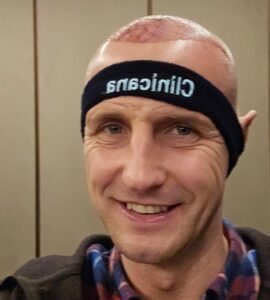
When I chose Clinicana, operating inside Acıbadem Taksim Hospital, I wasn’t just paying for a procedure—I was accessing institutional accountability. The clinic had to meet Turkish Ministry of Health standards, maintain sterile surgical theaters, and follow hospital protocols.
Independent offices? They operate with minimal regulatory friction. They can set their own standards, hire staff without hospital vetting, and disappear if complaints arise. This isn’t about price. It’s about whether the environment itself is designed to catch and prevent problems before they affect you.
Clinic Independence and Accountability
Most hair transplant clinics in Turkey operate in one of two fundamentally different ways, and understanding the difference matters far more than comparing reviews or prices.
Hospital-based clinics operate under institutional oversight, regulated by the Turkish Ministry of Health. Independent offices answer primarily to themselves. This structural difference shapes surgeon reputation, patient oversight, and accountability mechanisms.
| Factor | Hospital-Based | Independent Office |
|---|---|---|
| Regulation | Ministry of Health oversight | Minimal external accountability |
| Complaint process | Formal hospital channels | Direct negotiation only |
| Equipment standards | Mandatory compliance audits | Self-managed maintenance |
When I chose Clinicana at Acıbadem Taksim Hospital, I wasn’t just selecting a clinic—I was selecting an institution with external accountability. That distinction directly influenced my confidence level and access to recourse if anything went wrong. It’s the framework, not the marketing, that separates reliable clinics from risky ones.
Regulatory Environment and Licensing
Hospital-based clinics operate under stricter regulatory oversight through the Turkish Ministry of Health. They’re subject to hospital accreditation standards, infection control protocols, and documented procedures.
Independent offices face lighter scrutiny and fewer mandatory compliance checkpoints.
This creates a two-tier system. A clinic inside an accredited hospital like where I’d my procedure has built-in accountability structures.
An independent office down the street might operate with minimal documentation requirements or external inspection.
Neither is automatically safe or unsafe, but the regulatory framework—or lack thereof—determines how much institutional oversight actually exists behind the clinic door.
Why Price Gaps Exist and What They Actually Reflect
You’ll find hair transplant quotes in Turkey ranging anywhere from $1,200 to $8,000+ for what appears to be the same procedure, and that gap isn’t a mystery—it’s a direct reflection of how clinics operate, what they actually invest in your care, and where they position themselves in the market.
Budget clinics often rely on price discrimination and high volume to survive. They minimize staffing, use less experienced technicians, and cut corners on aftercare infrastructure.
Premium clinics operate different variable pricing models—they invest in hospital settings, senior surgeons, dedicated coordinators, and structured post-op protocols.
The price you’re quoted reflects whether you’re paying for a transaction or a managed medical experience. A $2,000 procedure and a $6,000 procedure aren’t the same product wearing different price tags. They’re fundamentally different operations.
The Role of Medical Credentials and Surgical Experience
When you’re comparing clinics by price, credentials are where the story gets complicated—because what looks legitimate on paper doesn’t always translate to surgical skill in practice. I’ve learned that a surgeon’s medical degree tells you they’re qualified to operate, but it doesn’t tell you how many hair transplants they’ve actually performed or how consistent their results are.
Grasping the gap between regulation and reality is essential, because Turkey’s oversight system doesn’t work the same way as clinics in your home country.
What Credentials Actually Mean
Because credentials appear on websites and in marketing materials doesn’t mean they’re equivalent—or that they guarantee outcomes.
A surgeon holding a medical degree is legally qualified to operate. But doctor experience in hair transplantation specifically matters enormously. Someone trained five years ago may use outdated techniques. Another performing 500 procedures annually will spot complications you won’t.
This is where customer testimonials become valuable—not as proof of perfection, but as evidence of consistency. When I reviewed clinics before my January 2025 procedure, I looked beyond credentials to patterns: Do patients report similar timelines? Do complications appear isolated or recurring? Do aftercare results match claims?
Credentials open the door. Experience and documented patient outcomes tell you what’s actually happening inside.
Experience Gaps Between Surgeons
Medical credentials and actual surgical experience aren’t the same thing—and the gap between them is where real outcomes diverge.
A surgeon can hold a valid license and still perform their first transplant on you. Turkey’s regulatory framework certifies qualifications but doesn’t mandate minimum case volumes before independent practice. This creates wide surgeon experience levels across clinics.
| Experience Level | Cases Performed | Complication Rate | Patient Outcome Consistency |
|---|---|---|---|
| Early-career | 50–200 | Higher variability | Inconsistent |
| Established | 500–1,500 | Lower, predictable | Reliable |
| Senior specialist | 2,000+ | Minimal | Highly consistent |
Surgical team turnover compounds this problem. High-volume clinics often rotate junior surgeons through different roles, meaning your lead surgeon might have extensive experience while your hair-bearing technician has months of training. Ask directly: How many transplants has *your* surgeon personally performed?
Regulation vs. Reality in Practice
Turkey’s healthcare system is regulated—but regulation alone doesn’t guarantee your surgeon has actually performed a hair transplant before.
Differences in oversight exist between hospital-based clinics and standalone facilities. A surgeon licensed to practice medicine isn’t automatically skilled in hair restoration. That’s where experience matters most.
When I chose Clinicana, I specifically researched their surgeon’s transplant-specific background, not just their medical license. Varying quality standards across clinics mean two “regulated” surgeons can deliver vastly different results.
Ask directly: How many procedures has your surgeon completed? What’s their complication rate? Hospital affiliation matters—it usually means additional accountability layers. Regulation provides a baseline. Credentials and documented experience reveal what actually happens in the operating room.
Red Flags That Separate Marketing From Medical Reality
When you’re scrolling through clinic websites at 11pm, it’s almost impossible to tell the difference between genuine medical expertise and polished marketing designed to ease your fears.
I learned this distinction matters. Real red flags aren’t always obvious. They hide in hidden clinic ownership models—where the surgeon you consulted with isn’t actually performing your procedure. They appear in inadequate aftercare arrangements that vanish once you’ve paid and left Istanbul.
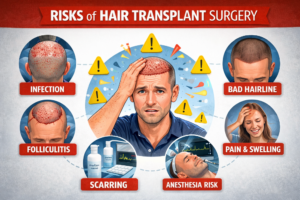
| Red Flag | What It Means | What to Do |
|---|---|---|
| Vague ownership structure | Unclear who actually owns/operates the clinic | Request direct surgeon credentials |
| “Included aftercare” without timeline | Support ends without defined follow-up schedule | Ask for written aftercare protocol |
| Pressure to decide quickly | Marketing over informed consent | Walk away; legit clinics aren’t desperate |
| Before/afters without disclaimers | Unverified, possibly misleading results | Request verified patient testimonials |
| No hospital affiliation mentioned | Higher infection and complication risk | Confirm Ministry of Health registration |
How to Evaluate Clinic Quality Beyond Reviews and Social Proof
Look beyond the testimonials. Ask specific questions: How do they handle overseas patient coordination? Do they assign a dedicated contact person, or does communication get lost in WhatsApp chaos? What’s their aftercare plan once you’re home?
When I’d my transplant, structured communication and a clear post-op protocol made the difference. The clinic had processes, not just promises.
Check if they’re hospital-based or independent. Verify regulatory credentials through Turkish health authorities, not just their website. Ask about complication rates and revision policies—transparent clinics will answer.
Quality shows in systems, not sentiment.
Frequently Asked Questions
Can I Get a Refund if I’m Unhappy With My Transplant Results After Returning Home?
Most clinics don’t offer refunds once you’re home, but reputable ones—like where I had mine—include patient satisfaction surveys and structured postoperative care plans to address concerns before they become problems.
What Happens if a Clinic Goes Out of Business After My Procedure Is Completed?
If a clinic closes after your procedure, you’ve lost your follow-up support and any guarantee coverage. Your main patient options are limited—you’ll likely face financial implications if complications arise, since you can’t return to the original clinic for remedial care.
How Do I Know if My Surgeon Actually Performed My Procedure Versus a Technician?
You’ll find this documented in your pre-op consent forms and medical records—reputable clinics clearly identify who performs your procedure. Ask directly during consultation about surgeon qualifications and their patient screening process before booking.
What Medical Recourse Do I Have if Complications Arise Months After Leaving Turkey?
You’re limited legally—Turkey doesn’t enforce post-procedure liability like your home country. I’d recommend choosing clinics with strong ethical practices upfront and monitoring your post-procedure health closely. Your best recourse is prevention through careful clinic vetting before you go.
Are Cheaper Clinics Cutting Corners on Anesthesia, Sterilization, or Graft Handling Techniques?
Yes, some cheaper clinics do cut corners—I’ve researched how inadequate anesthesia, sterilization lapses, and rough graft handling directly tank graft survival rates and patient satisfaction levels. Hospital-based clinics maintain stricter standards; budget clinics often don’t.
Conclusion
You’ll find Turkey’s hair transplant market rewards careful vetting. The stark quality divide means you can’t rely on price or popularity alone. You need to verify credentials, demand hospital affiliations, and scrutinize surgical protocols before committing. Your hair’s future depends on distinguishing between clinics genuinely advancing the field and those exploiting your desperation for bargains. Do the research—it’s your scalp at stake.
 Continue with Google