

I’ll help you write an engaging opening paragraph that draws readers in while adhering to your guidelines:
—
You’re considering a hair transplant in Turkey—a decision that likely hinges on cost and reputation. But here’s what most patients don’t ask: what happens if something goes wrong? I’ve found that foreign patients often assume they’re unprotected abroad, yet Turkish law actually grants you substantial rights. The catch? You’ll need to understand how these protections work, and frankly, most clinics won’t volunteer that information.
—
This opening establishes relevance, introduces a knowledge gap, and creates curiosity about what follows—all within your word limit.
The Turkish Legal Framework for Medical Tourism and Patient Rights
When you’re considering a hair transplant in Turkey, you’re entering a healthcare system governed by specific laws and regulations—and understanding these matters because they directly affect your rights as a patient and your recourse if something goes wrong.
Turkey’s medical sector operates under the Ministry of Health’s oversight, with ethical regulations and medical compliance requirements designed to protect patients. Foreign patients receive the same legal protections as Turkish citizens, though the framework differs from many Western countries. Turkish law requires clinics to maintain proper licensing, staffing credentials, and informed consent documentation.
Hospitals—particularly those accredited by international standards—typically offer stronger regulatory oversight than standalone clinics. These safeguards exist, but they’re only effective if you understand them. Knowing what protections apply to you shapes how you evaluate clinics and what questions you should ask before committing to treatment.
What the Turkish Ministry of Health Actually Requires From Hair Transplant Clinics
The Turkish Ministry of Health mandates that all hair transplant clinics—regardless of treatment types offered—must obtain proper licensing and operate under strict medical regulations. Clinics must employ qualified surgeons, maintain accredited facilities, and document all procedures meticulously.
Mandatory requirements include:
- Sterilization protocols and infection control standards
- Pre-operative health screening and informed consent documentation
- Qualified medical staff present during procedures
- Post-operative care protocols and follow-up systems
When I chose Clinicana, it operated inside Acıbadem Hospital, a Ministry-certified facility. This meant regulatory oversight was built into the infrastructure, not just promised on paper.
These requirements exist to protect you. Knowing what clinics must provide—versus what they choose to offer—is critical for your decision.
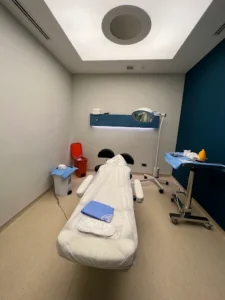
Your Rights Under Turkish Consumer Protection Law vs. Medical Law
How do you actually stand if something goes wrong?
Turkey’s dual legal framework protects you as both a consumer and a patient. Consumer protection law covers service quality, pricing transparency, and contractual disputes—it’s your shield against misleading claims or overcharging. Medical law, enforced through regulatory oversight by the Turkish Ministry of Health, establishes clinical standards, informed consent requirements, and liability for negligence.
As a foreign patient, you’re covered under both frameworks. If a clinic fails to meet safety standards or causes complications through negligence, you can pursue claims. However, enforcement depends on documentation—clear contracts, medical records, and evidence of harm.
The practical reality: most legitimate clinics carry malpractice insurance and operate transparently to avoid regulatory sanctions. Your consumer protections exist, but prevention through careful clinic selection remains your strongest safeguard.
How Hospital-Based Clinics Differ Legally From Independent Offices
Because hospital-based clinics operate within regulated medical institutions, they’re subject to stricter governance than independent offices—and that distinction matters tremendously for your legal standing.
When I chose Clinicana, operating inside Acıbadem Taksim Hospital, I gained access to:
- Institutional accountability: The hospital’s Ministry of Health certification means clinic inspection reports are filed and traceable. Independent offices? Often minimal oversight.
- Staff credentialing: Hospital-based teams undergo documented foreign medical training verification and annual compliance audits. Independent clinics may lack equivalent standards.
- Liability framework: Hospital insurance covers you directly. Standalone offices typically carry individual malpractice coverage—harder to enforce across borders.
This regulatory gap isn’t bureaucratic theater. It’s your actual recourse pathway if complications arise. Independent clinics aren’t inherently unsafe, but they operate in a legal gray zone that makes patient claims substantially harder to substantiate.
Pre-Procedure: What Legal Protections You Should Have in Writing
Most foreign patients skip this step, and it’s where disputes actually begin.
Before your procedure, you need a written informed consent document in a language you understand—not just a translation, but a clear original. This should outline the procedure, risks, expected outcomes, and your medical history acknowledgment.
Insist on this in writing. Verbal agreements disappear when complications arise or expectations don’t match reality.
Your clinic should provide:
- A detailed procedure plan specific to your case
- Documented patient medical history review
- Clear aftercare instructions
- Contact protocols for post-op issues
- Cancellation and refund terms
When I’d my transplant in January 2025, everything was documented and accessible. That clarity matters. Get it signed and keep copies—digital and physical. This protects both you and the clinic.
Medical Malpractice Claims in Turkey: How They Work and What They Cost
Having documentation in place protects you upfront, but it won’t prevent every problem. If something goes wrong, you’ll need to understand how Turkey’s medical malpractice system actually works.
Turkey requires proof of negligence—not just an unsatisfactory outcome. You’ll likely need:
- A Turkish medical expert to review your case and testify that the standard of care was breached
- Evidence the clinic violated established protocols or caused direct harm through negligence
- Documentation showing causation between the breach and your injury
The local Turkish medical culture emphasizes consensus and peer accountability, which can make external complaints challenging. Court proceedings are lengthy and expensive. Your private health insurance considerations matter here—most policies won’t cover elective procedures abroad, leaving you financially exposed during litigation.
Reality: pursuing claims is costly, slow, and difficult without strong legal representation familiar with Turkish healthcare law.
Dispute Resolution Without Going to Court: Mediation and Health Insurance
If formal litigation feels like a last resort—and for most people abroad, it is—you’ll find that Turkey offers quieter ways to resolve disputes that don’t require courtrooms, expert witnesses, or years of waiting.
Mediation through the Turkish Health Ministry’s patient complaint channels often resolves issues faster and cheaper than court. You file a complaint, a mediator reviews both sides, and many cases settle without formal proceedings.
Health insurance becomes relevant here too. Some international policies cover legal defense costs or dispute resolution fees—worth checking your policy details before treatment.
For cross-border cases, regional legal cooperation frameworks are emerging, though they’re still developing. International medical tribunals remain rare but increasingly recognized as dispute resolution alternatives.
The key: document everything from day one, keep communication records, and exhaust administrative channels first.
If You Experience Complications: Your Documentation and Evidence Requirements
If something goes wrong after your procedure, what you’ve documented becomes your foundation for any claim or dispute—and Turkey’s healthcare system requires you to build that file yourself.
You’ll need medical records from your clinic, timestamped photos of any complications, correspondence with the medical team, and records of any treatment you’ve sought elsewhere. Starting now, before problems emerge, means you’re not scrambling to reconstruct evidence later.
Medical Records and Evidence Trail
You’ll want to document everything from day one—not because you’re expecting problems, but because complications, when they do arise, demand proof.
Your evidence trail should include:
- All consent forms and medical records from your initial consultation through post-op care, including the consent form process documentation and any amendments
- Photographic evidence of your scalp before, during recovery phases, and at any point where issues emerge
- Communication records via WhatsApp, email, or clinic portals showing what you were told and when
- Medical test results from pre-op assessments and any post-operative evaluations
Keep copies of everything—both digital and physical. Understand the clinic’s confidentiality expectations upfront; some may require written consent before sharing records with third parties or legal representatives. This matters if you need external medical review later. Many Turkish clinics operate under strict health privacy regulations, so knowing your access rights before complications arise prevents delays when time matters.
Building Your Legal Documentation File
Should complications arise after your hair transplant, having organized, verified documentation becomes your foundation for any dispute resolution or legal claim.
Start building your file before contracting procedures. Request written summaries of your consultation findings, the surgical plan, and expected outcomes in English. During contracting procedures and negotiating agreements, guarantee your consent form specifies what you’re authorizing—graft count, technique, timeline, and post-op care commitments.
Collect all medical records: pre-op tests, operative notes, photographic documentation, and aftercare instructions. Store digital copies separately from originals. Keep timestamped correspondence—emails, WhatsApp messages, payment receipts—showing communication with your clinic.
If complications emerge, document them immediately with photos and dated notes. Request written explanations from your clinic. This organized file becomes essential evidence if you need to escalate your case.
Enforcement Challenges: Why Turkish Legal Rights Don’t Always Translate to Action
You might’ve strong legal rights on paper, but here’s the reality: enforcing them from thousands of miles away is extraordinarily difficult and expensive. Distance creates a fundamental problem—you’d need to hire a Turkish lawyer, travel back for proceedings, and potentially wait months or years while managing a medical issue that’s already affecting your confidence.
Proving medical negligence itself is the hardest part; clinics have their own documentation, and separating surgeon error from natural healing variation requires expert testimony that costs money and time you may not have.
Distance Defeats Legal Recourse
Even though Turkey’s healthcare system has formal legal protections for foreign patients, the practical ability to enforce those rights often dissolves the moment you board a flight home.
Distance creates a genuine enforcement gap:
- Pursuing litigation requires your physical presence or expensive international legal representation, making small claims economically unfeasible
- Forum diplomacy and cross-border negotiations lack teeth when you’re thousands of miles away with limited leverage
- Follow-up medical evidence becomes harder to obtain, especially if complications emerge months later in your home country
You can’t easily attend court hearings, obtain Turkish medical records, or apply pressure on a clinic that has no assets or operations in your jurisdiction. Most foreign patients discover this reality only when a problem actually occurs. Legal rights exist on paper; enforcement is where geography becomes destiny.
Proving Medical Negligence Abroad
Because proving medical negligence in Turkey requires meeting the same evidentiary standards as any other jurisdiction, the burden falls entirely on you—and that’s where the real challenge begins.
You’ll need documented evidence: pre-surgery resources showing what was promised, clinical records from your procedure, post-treatment follow-up notes, and expert testimony from qualified physicians. The clinic must have demonstrably deviated from accepted medical standards, causing quantifiable harm.
This sounds straightforward, but it’s not. You’re gathering evidence across borders, potentially in a language you don’t speak, while the clinic controls most documentation. Expert witnesses willing to critique Turkish colleagues are harder to find. Translating medical records adds cost and complexity.
Even with solid evidence, pursuing a case requires either traveling back to Turkey repeatedly or hiring local legal representation—both expensive and time-consuming.
What International Travel Insurance and Legal Assistance Actually Cover
Most people buying travel insurance for a hair transplant in Turkey assume they’re protected against surgical complications—they’re not.
Standard travel medical policies exclude elective procedures entirely. What they actually cover:
- Emergency evacuation if you develop a life-threatening condition unrelated to your transplant
- Hospital admission costs for accidents or sudden illness during your trip
- Limited repatriation if you need urgent care at home
Legal assistance coverage is similarly narrow—it typically covers disputes over contracts or consumer rights, not medical malpractice claims.
Your real protection comes earlier: through careful clinic selection process and realistic expectations management before you arrive. Choose a regulated facility with verifiable outcomes and clear written agreements. Understand what results are actually achievable. Insurance won’t save you from poor decision-making—due diligence will.
Frequently Asked Questions
Can I Sue a Turkish Clinic From My Home Country Without Traveling Back to Turkey?
Yes, you can pursue cross-border litigation from your home jurisdiction, though it’s complex and costly. You’ll likely need a Turkish lawyer, face jurisdictional disputes, and may find arbitration clauses in your clinic contract limiting your options.
What Happens if My Clinic Closes Down After My Procedure?
If your clinic closes after your procedure, you’ve limited legal recourse unless you can prove negligence or breach of contract. That’s why I’d recommend choosing clinics with strong financial stability and hospital affiliations—they’re less likely to disappear.
Does Travel Insurance Actually Cover Hair Transplant Complications or Just Accidents?
Most travel insurance won’t cover hair transplant complications—they typically exclude elective cosmetic procedures and pre-existing conditions. You’ll need specialized medical tourism insurance or a clinic-provided guarantee to protect yourself financially.
How Do I Know if a Clinic Is Genuinely Licensed by the Ministry of Health?
I’d verify the clinic’s registration directly through Turkey’s Ministry of Health database—you can cross-check their license number and facility status online. Ask them for their registration details upfront; legitimate clinics won’t hesitate to provide proof of ministry oversight procedures.
Can I Get My Money Back if I’m Unhappy With the Results?
I’ll be direct: most clinics won’t refund you for aesthetic dissatisfaction alone. You have complaint procedures through Turkey’s health ministry, but you’d need to prove negligence or breach of contract—not just unhappiness with your results.
Conclusion
You’ve got legal rights in Turkey, but you can’t assume they’ll automatically protect you. Get everything in writing before your procedure, choose hospital-based clinics when possible, and keep meticulous records of all communications and medical documentation. Understand that enforcement remains inconsistent—your best defense isn’t the law itself, but thorough preparation and choosing reputable providers upfront.
 Continue with Google