

I’ll be honest with you: choosing a hair transplant clinic in Turkey isn’t just about finding the cheapest option or the one with the best Instagram photos. The type of clinic you select—whether it’s hospital-accredited or office-based—fundamentally shapes your experience, safety, and results. You’re probably wondering what actually separates these clinics and why it matters. Let me break down what you need to know.
Why Clinic Type Matters More Than You Think
When you’re researching hair transplant clinics in Turkey, you’ll notice the pricing can vary wildly—sometimes by thousands of dollars for what sounds like the same procedure. That gap usually reflects clinic type, not just marketing.
Where a procedure happens matters enormously. A hospital-based clinic operates under strict Ministry of Health oversight, maintains physician training standards, and follows mandatory pre-op screening processes. An office clinic may offer lower prices but fewer safeguards.
A backstreet operation costs even less—and carries real risks.
I chose a hospital-based setting because the regulation, infrastructure, and accountability were built in. You’re not just paying for the transplant; you’re paying for the system surrounding it. Understanding this distinction is your first real decision point.
Hospital-Based Clinics vs. Standalone Surgical Centers
When I was researching clinics in Istanbul, I noticed the difference between a standalone surgical center and a hospital-based operation became the biggest factor in my decision—not just for safety, but for what it meant about oversight, equipment standards, and how pricing actually works.
The clinic you choose sits within one of these two models, and they’re fundamentally different in ways that matter far more than marketing suggests.
Let’s break down regulatory oversight, the infrastructure behind clinical standards, and why cost differences between these two aren’t random.
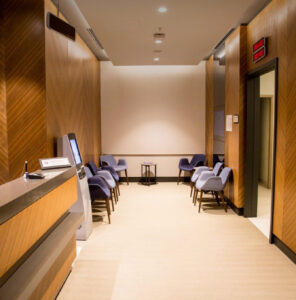
Regulatory Oversight And Accountability
Because Turkey’s hair transplant industry operates across vastly different settings—from hospital-integrated surgical units to independent clinics with minimal oversight—where you choose to have your procedure matters far more than many patients realize.
Hospital-based clinics operate under the Turkish Ministry of Health’s regulatory framework, which mandates staffing qualifications, infection control standards, and documented oversight mechanisms. When I’d my procedure at Clinicana inside Acıbadem Taksim Hospital, I could verify accreditation and review institutional protocols.
Standalone surgical centers face less stringent regulation. Many operate legally, but accountability depends heavily on individual clinic standards rather than external oversight. There’s no centralised registry requiring transparent reporting of complications or outcomes.
This distinction directly affects your ability to verify credentials, access recourse if problems arise, and understand what safety protocols actually govern your care.
Infrastructure And Clinical Standards
Knowing where a clinic operates—and under what institutional framework—directly shapes the physical environment you’ll be treated in, the equipment available, and the protocols that govern your care.
Hospital-based clinics operate within larger medical institutions with established emergency protocols, sterile operating theaters, and integrated support services. Standalone surgical centers may offer dedicated hair transplant infrastructure but lack immediate access to broader medical resources.
Key differences include:
- Medical staff expertise — Hospital settings typically employ credentialed surgeons with diverse surgical backgrounds and nursing staff trained across multiple disciplines
- Equipment standards — Hospital-based clinics maintain compliance with institutional sterilization and monitoring systems
- Post-operative support — Hospital affiliations provide access to additional care if complications arise, without transfer delays
When I’d my procedure at Clinicana inside Acıbadem Hospital, the integrated environment meant immediate access to diagnostic equipment, pharmacy services, and specialist consultation if needed. That infrastructure matters more than you might initially think.
Cost Differences And Pricing Models
The location and institutional framework of a clinic directly influences its operational costs—and those costs get passed to you in different ways. Hospital-based clinics like Clinicana operate within larger healthcare systems, so they share overhead: staffing, equipment maintenance, and regulatory compliance. That institutional structure costs more upfront, but it’s reflected transparently in pricing.
Standalone surgical centers typically operate with lower fixed costs, allowing them to advertise lower prices. However, you’ll often encounter hidden charges during booking flexibility—additional consultations, facility fees, or aftercare add-ons that weren’t initially quoted.
Payment options matter too. Hospital-based settings usually offer structured, all-inclusive packages. Standalone centers may fragment costs across multiple invoices, making true price comparison harder. Understanding what’s bundled versus what costs extra helps you compare apples to apples.
Private Office Clinics and Smaller Surgical Facilities
When you’re researching hair transplant clinics in Turkey, you’ll encounter a stark divide: hospital-based surgical centers on one side, and private office clinics on the other.
Private office clinics operate independently, often with lower overhead costs that translate to cheaper procedure fees. However, this cost advantage comes with trade-offs:
- Limited quality assurance — no external hospital regulation or mandatory safety protocols
- Reduced emergency preparedness — fewer resources if complications arise during or after surgery
- Variable aftercare support — depends entirely on individual clinic infrastructure and commitment
These facilities range from well-equipped surgical suites to converted office spaces. While some deliver excellent results, you’re relying heavily on the clinic’s reputation and track record rather than institutional oversight. The financial savings aren’t always worth the reduced accountability.
Chain Clinics and High-Volume Multi-Branch Operations
What distinguishes them is standardized service delivery. Protocols, equipment, and training frameworks are replicated across locations, which creates consistency but can also mean less personalization. You’re not building a relationship with a founding surgeon—you’re entering a system.
Chain clinics often have refined patient logistics: coordinated transfers, hotel partnerships, and structured aftercare pipelines. However, this scale means higher overhead costs, which typically translates to higher pricing.
The trade-off is real: predictability and infrastructure versus individuality and direct surgeon access.
How Regulation and Accreditation Actually Work in Turkey
When I was researching clinics in Istanbul, I realized that “regulation” meant something very different depending on where a clinic operated—and that distinction matters far more than marketing claims suggest. Turkey’s Ministry of Health oversees all medical facilities, but a clinic operating inside a certified hospital faces completely different standards than one operating as a standalone office.
Comprehending this gap is indispensable because it directly affects what oversight exists if something goes wrong.
The Turkish Ministry Of Health
Most people researching hair transplants in Turkey never ask about the regulatory framework—they jump straight to clinic websites and patient reviews.
That’s a gap worth filling. Turkey’s Ministry of Health runs the country’s oversight mechanisms for all healthcare facilities, including hair transplant clinics. Understanding how this works clarifies what “accredited” actually means.
The Ministry’s regulatory processes include:
- Licensing requirements for hospitals and surgical centers before they can legally operate
- Mandatory compliance inspections and ongoing quality standards
- Professional registration of surgeons and medical staff through Turkey’s health authority
When I chose Clinicana, operating inside Acıbadem Taksim Hospital mattered precisely because it meant real Ministry oversight. Not all Turkish clinics operate under this level of regulation. Knowing the difference between a hospital-based clinic and a standalone facility isn’t just reassurance—it’s foundational due diligence.
Hospital Accreditation vs. Office Clinics
This isn’t a marketing difference. The distinction between hospital-accredited clinics and standalone office operations reflects real regulatory oversight and infrastructure.
Hospital-based clinics operate within certified medical facilities regulated by Turkey’s Ministry of Health. They’re subject to regular inspections, maintain sterilization protocols, and have emergency medical support on-site. When I’d my procedure at Clinicana—located inside Acıbadem Taksim Hospital—that hospital infrastructure mattered during recovery.
Office clinics aren’t necessarily unsafe, but they operate with less external oversight. This affects everything from sterilization standards to how local anesthesia concerns are managed and patient comfort levels are monitored.
The key question: who’s accountable if something goes wrong? Hospital-accredited settings create clearer liability chains and documented standards. That transparency should influence your decision.

The Role of Medical Director Presence and Surgeon Accountability
Because hair transplantation involves surgical risk, the presence and accountability of a qualified medical director isn’t a luxury—it’s a structural safeguard.
A credible clinic maintains:
- Surgeon presence during procedures, not delegation to technicians without medical oversight
- Clear chain of responsibility where complications are documented and traceable to accountable personnel
- Patient privacy protocols embedded in clinic operations, protecting your medical records and outcomes data
When you choose a clinic, verify who actually performs your procedure. Some facilities market surgeon names but operate differently on the ground. A medical director guarantees protocols are followed consistently—from pre-op assessment through post-op care.
I prioritized this during my own selection. Knowing a qualified surgeon was directly accountable for my outcome, not hidden behind corporate structure, mattered greatly to my confidence and safety throughout the process.
What Infrastructure Differences Mean for Your Safety and Recovery
When you’re choosing a Turkish clinic, the physical setting where your transplant happens isn’t just about comfort—it directly affects infection risk, sterility standards, and how quickly you recover.
Hospital-based clinics operate under stricter regulatory oversight and have access to full surgical infrastructure, while standalone offices may cut corners on sterilization protocols and emergency response capabilities.
Understanding these differences helps you spot which facilities prioritize your safety over convenience or cost savings.
Hospital-Based vs. Clinic Settings
The difference between having your hair transplant in a hospital versus a standalone clinic isn’t cosmetic—it shapes what happens before, during, and after your procedure in ways that directly affect safety, recovery, and your recourse if something goes wrong.
Hospital-based clinics operate within regulated medical infrastructure. This means:
- Specialized equipment availability — access to sterile operating theatres, anesthesia support, and emergency protocols
- Regulatory oversight — clinics inside certified hospitals face Ministry of Health inspection and accountability standards
- Integrated aftercare — pre-op testing, post-op checkups, and complications management happen within one system
Standalone clinics offer flexibility but vary widely in standards. When I chose Clinicana inside Acıbadem Taksim Hospital, the hospital setting eliminated uncertainty about credentials. Your cultural familiarization factors matter too—knowing your facility meets Turkish health regulations provides genuine peace of mind.
Infection Control and Sterility Standards
Regulatory oversight and integrated systems matter because infection risk is real—and it’s where the difference between hospital and standalone settings hits hardest.
Hospital-based clinics operate under Ministry of Health compliance, meaning daily audits, mandatory sterility procedures, and integrated infection prevention protocols aren’t optional—they’re enforced. Standalone clinics may follow good practice, but they’re self-regulated.
| Factor | Hospital-Based | Standalone Clinic | Why It Matters |
|---|---|---|---|
| Sterilization oversight | Third-party audits | Self-monitored | External accountability |
| Emergency protocols | On-site hospital staff | External transfer required | Time-critical if complications arise |
| Infection data | Tracked, reported | Private records | Transparency and accountability |
| Equipment standards | Hospital-grade compliance | Variable | Reduces post-op complications |
When I had my procedure at Clinicana inside Acıbadem Hospital, I could see this infrastructure directly—dedicated surgical suites, real-time monitoring, immediate access to hospital resources if needed. That visibility matters psychologically and medically.
Pricing Models: Why Clinic Type Directly Affects Cost
Confusion around hair transplant pricing in Turkey often stems from a single overlooked fact: where you get treated changes what you’ll pay.
Hospital-based clinics operate differently than standalone facilities, and that difference flows directly into your invoice. Here’s why:
- Cost per graft varies by overhead—hospitals carry regulatory compliance, salaried medical staff, and facility maintenance that independent clinics avoid
- Rebates and discounts are more common in competitive office settings competing on price alone
- All-inclusive packages (transfers, accommodation, aftercare) typically cost more upfront but hide fewer surprises later
When I chose a hospital-based clinic in Istanbul, I paid more per graft than budget alternatives offered. That premium covered accreditation, staff credentials, and integrated aftercare—not marketing. Understanding this relationship helps you compare quotes meaningfully rather than chasing the lowest number.
Red Flags That Indicate a Clinic Prioritizes Volume Over Quality
Now that you understand why clinic structure affects pricing, it’s worth knowing what happens when cost becomes the only priority—and how to spot it.
Red flags include rushed consultations, vague aftercare plans, and staff who can’t clearly explain your specific procedure. When a clinic prioritizes volume over quality, service-driven standards slip. You’ll notice minimal pre-op testing, no detailed photos or mapping, and aftercare handled impersonally through automated messages rather than patient-first protocols.
High patient turnover and pressure to book quickly are telling signs. Legitimate clinics invest time in understanding your goals and medical history. They’re transparent about realistic timelines and outcomes, not making promises.
If something feels hurried or you’re treated as a transaction rather than a person, that’s your signal to look elsewhere.
Making Your Decision: What Type of Clinic Aligns With Your Priorities
By this point in your research, you’ve likely encountered clinics across a spectrum—from high-volume operations to boutique practices, hospital-based settings to standalone facilities. Now comes the harder question: which aligns with what you actually need?
Consider what matters most to you:
- Medical oversight & regulation: Do you prioritize hospital accreditation and surgical methods monitored by independent bodies?
- Personalized care: Are you willing to potentially pay more for smaller patient numbers and direct surgeon involvement?
- Established track record: Does a clinic’s treatment techniques and documented outcomes matter more than cost savings?
There’s no universally “right” answer. A high-volume clinic isn’t inherently worse; a boutique practice isn’t automatically superior. What matters is honest alignment between your priorities, expectations, and the clinic’s actual operating model—not its marketing narrative.
Frequently Asked Questions
Can I Visit a Turkish Clinic in Person Before Committing to Surgery?
Yes, you can visit in person. Many clinics welcome on-site facilities tours and consultations before you commit. I’d recommend scheduling this during your research phase—it’ll help you assess the clinic’s environment, meet the team, and feel confident about your decision.
What Happens if Complications Arise After I Return Home?
Most reputable Turkish clinics offer remote follow-up medical care after you return home. They’ll guide you through complication management procedures via WhatsApp or video calls, though serious issues may require local intervention from your home doctor.
Do All Turkish Clinics Offer All-Inclusive Packages, or Just Some?
No, not all Turkish clinics offer all-inclusive packages. Some bundle everything—flights, hotels, surgery, aftercare—while others charge separately. Always request a detailed cost breakdown and compare package details across clinics before deciding.
How Do I Verify a Clinic’s Accreditation Claims Independently?
I’d start by checking the clinic’s hospital affiliation directly with Turkey’s Ministry of Health database, then review their online presence for consistent credentials. Cross-reference patient testimonials on independent platforms—not just their website—to spot patterns in care quality and transparency.
What’s the Typical Surgeon-To-Patient Ratio During Peak Operating Seasons?
I’ve found that peak-season ratios vary wildly—from one surgeon per 2-3 patients at hospital clinics to 1-per-8+ at volume-driven centers. Surgeon experience level and structured patient follow-up procedures directly determine quality, not clinic size alone.
Conclusion
You’ll find that your clinic choice fundamentally shapes your transplant experience. Hospital-accredited facilities offer you regulatory oversight and emergency support, while office-based clinics may provide personalized care at lower costs. Don’t let price alone drive your decision—you’re investing in your appearance and health. Weigh accreditation, infrastructure, and the surgeon’s track record carefully. Your research now prevents regrets later.
 Continue with Google