

I’ve guided countless patients through the flight home after their Turkish hair transplant, and I’ll be honest—it’s a critical window where things can go right or wrong. Your grafts are at their most vulnerable, swelling will intensify at altitude, and cabin conditions create challenges you might not anticipate. But here’s what matters: knowing exactly what to expect means you’ll protect your investment and avoid costly setbacks. Let me walk you through what’s ahead.
When You Can Safely Fly After Your Procedure
How soon can you actually get on a plane after a hair transplant? Most clinics recommend waiting 7–10 days before flying, though this isn’t a hard rule—it’s about what’s happening on your scalp.
In my case, I flew home on day 10. By then, scabbing had largely resolved, and the transplanted area felt stable enough for the journey.
The key is monitoring travel timing against your individual healing pace. Some people heal faster; others need longer. Your clinic should assess your scalp condition before clearing you for flight.
Adjusting your recovery timeline means building flexibility into your travel plans. If scabbing persists or you’re uncomfortable, delaying your flight by a few days prevents unnecessary stress and risk. Ask your surgical team for a personalized clearance rather than assuming a fixed date.
Managing Swelling and Discomfort During Air Travel
Flying puts extra pressure on your body at a time when your scalp is already swollen and sensitive, which can amplify discomfort and temporarily worsen fluid retention in the grafted area. I noticed this firsthand on my flight home from Istanbul—the cabin pressure and immobility combined to create a level of tightness I hadn’t experienced on the ground.
The good news is that knowing why this happens and having strategies to manage it makes a real difference in how you’ll feel during those hours in the air.
Why Swelling Peaks Post-Flight
One of the most uncomfortable surprises after a hair transplant isn’t the procedure itself—it’s what happens when you’re 30,000 feet in the air heading home.
Your head swells because cabin pressure, immobility, and reduced oxygen combine to trap fluid in your tissues. Gravity can’t drain it effectively when you’re seated, and the pressurized environment slows circulation. I noticed my swelling peak around hour four of my flight—worse than the day after surgery itself.
| Factor | Impact | Duration |
|---|---|---|
| Low cabin pressure | Fluid retention increases | Entire flight |
| Prolonged sitting | Blood pools in head | 6-10 hours |
| Dehydration | Inflammation worsens | Post-flight |
| Temperature control | Vessels constrict | Variable |
| Reduced oxygen | Healing slows temporarily | 24-48 hours |
Managing fluid retention and coping with discomfort requires elevation, compression, movement breaks, and hydration—essentials I’ll detail in the next section.
Pressure Changes And Grafts
The swelling you’ll experience mid-flight isn’t just uncomfortable—it can actually affect your newly transplanted grafts if you’re not managing the pressure changes actively. During the first 7–10 days post-transplant, your grafts are still establishing attachment to the scalp. Air pressure changes at altitude can increase intracranial pressure, worsening swelling and potentially stressing those delicate connections.
Keep your head elevated above heart level throughout the flight. Wear loose, non-restrictive headwear that won’t compress your scalp. Stay hydrated and avoid alcohol, which amplifies fluid retention.
The good news: your grafts aren’t fragile enough to dislodge from normal cabin pressure alone. But minimizing unnecessary swelling during air pressure changes reduces inflammation and supports better graft survival during this critical healing window.
Practical Comfort Strategies Onboard
Most people underestimate how much their comfort onboard directly impacts graft healing. I kept my head elevated throughout my flight home using an extra pillow and neck support—this genuinely reduced swelling. Compression wear helped manage facial puffiness without being restrictive.
Managing ear discomfort during pressure changes requires intentional effort. I used nasal decongestants before takeoff and landing, chewed gum during altitude shifts, and performed gentle Valsalva maneuvers. Avoid sleeping flat; recline partially instead.
Navigating airport security smoothly matters too. I wore loose clothing that didn’t irritate my scalp and kept my post-op documents accessible. TSA agents were accommodating when I explained my recent procedure.
Stay hydrated, move around the cabin every hour, and resist the urge to touch your head. These small choices compound into measurably better outcomes.
Protecting Your Grafts During the Flight
Your newly transplanted grafts are at their most vulnerable during the flight home—they’re living tissue that’s been through surgical trauma and needs specific conditions to survive those pivotal first hours.
The main threats you’ll face:
- Graft dislodgement risks from pressure, friction, or accidental contact with your scalp
- Dehydration caused by cabin air, which stresses newly grafted follicles
- Physical impact during airport navigational challenges, crowded aisles, and overhead luggage handling
Keep your head elevated using a travel pillow—this reduces swelling and pressure on grafts. Avoid leaning against the window or touching your scalp. Wear a loose, soft hat if your clinic approved it; mine recommended keeping the area uncovered instead.
Hydrate consistently throughout the flight. Don’t sleep flat. If you’re jostled in aisles or during boarding, protect your head with your hand and move deliberately through crowded spaces.
What to Pack for Your Journey Home
You’ll need to think strategically about what you’re taking home, because your grafts won’t care that you’re 30,000 feet in the air—they’ll still need the same careful handling and protection you’ve been giving them on the ground.
Your packing list should include both the medical essentials your clinic’s given you (prescribed medications, sterile saline, any topical treatments) and the comfort items that’ll make recovery easier when turbulence, cabin pressure, and long hours in a seat threaten to derail your healing process.
Getting this right before you leave Turkey means you won’t be scrambling to source supplies in your home country or, worse, skipping critical aftercare steps because you didn’t plan ahead.
Medical Supplies And Documentation
The flight home is when preparation shifts from clinical to practical—and what I pack makes a tangible difference in how smoothly recovery unfolds once I’m back.
Your clinic should provide comprehensive medical documentation—discharge summaries, procedure notes, and photographic records. Keep these accessible, not buried in luggage. You’ll need them if complications arise or if your home doctor requires context.
Custom prescriptions matter equally. Most Turkish clinics dispense antibiotics and anti-inflammatory medications tailored to your specific procedure. Guarantee you have:
- Written prescription details (generic names, dosages, frequency)
- Enough supply to complete the full course at home
- Documentation of what each medication does
Request everything in English. Border customs rarely questions legitimate post-operative medications, but clear labeling prevents delays. Your aftercare depends on finishing these courses exactly as prescribed, not improvising at home.
Comfort Items For Recovery
Beyond medications and paperwork, what you physically bring on the flight home shapes your comfort during those critical first days of recovery.
Pack loose, soft clothing—nothing that’ll press against your scalp or incision sites. Bring a travel pillow; you’ll want neck support without pressure on the transplanted area. I’d include a silk or satin pillowcase for your hotel bed and home—it reduces friction while you’re healing.
Stay disciplined about hydrating during flight. Cabin air dehydrates you quickly, and your body needs fluids for proper healing. Bring an empty water bottle to fill after security, then refill throughout the journey.
Consider a wide-brimmed hat or surgical cap for airport navigation—it keeps people from staring and protects your scalp from accidental contact.
Cabin Pressure, Humidity, and Healing: What Actually Matters
Most people worry about flying home after a hair transplant, and cabin pressure usually tops the list.
The reality’s simpler than you’d think. Your grafts aren’t fragile enough to be harmed by cabin pressure changes. What matters more is keeping your scalp protected and maintaining hydration:
- Moisture levels: Airplane cabins are dry. Drink water consistently throughout the flight—this helps your body heal, not just your scalp.
- Scalp protection: Keep your head covered. A loose, clean hat prevents accidental contact and reduces dust exposure.
- Dietary guidelines: Avoid alcohol and excess salt, which dehydrate you further. Stick to regular meals and water.
I flew home five days post-op without complications. The flight itself wasn’t the issue—neglecting basic hydration and protection would’ve been the real risk.
Your First Week Back: Resuming Normal Life While Recovering
When you land and walk through your front door, you’re not suddenly healed—you’re just beginning the next phase of recovery, and that shift in environment brings a new set of decisions about what you can actually do.
Your first week back demands patience. Controlling pain levels means staying on prescribed medication without skipping doses, even if discomfort feels manageable. Don’t assume you’re ready for normal activity just because you’re home.
Hydration and skin protection become critical. Keep drinking water consistently—your scalp’s healing depends on it. Continue wearing a loose hat or beanie outdoors; UV exposure can damage grafts during this vulnerable window.
Resist the urge to work full days, exercise, or handle stressful situations. Light activity indoors is fine, but honor what your body actually needs. Recovery doesn’t pause when you leave Istanbul.
Red Flags That Warrant Medical Attention Before You Board
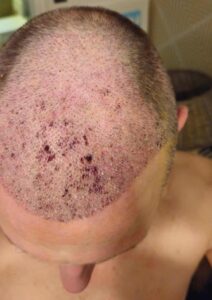
Recovery doesn’t end when you leave the clinic—it demands attention right up until you board your flight home. Watch closely for red flag symptoms that shouldn’t be ignored:
- Excessive bleeding or fluid drainage that won’t slow after gentle pressure
- Signs of infection: fever, spreading redness, warmth around the transplant area, or foul-smelling discharge
- Severe swelling that’s worsening rather than improving by day 3–4
If you notice any of these, contact your surgeon immediately rather than flying. An early return to surgeon consultation—even via video call—is far better than risking complications mid-flight or at home with no medical support nearby. Your clinic should have protocols for this. Don’t downplay unusual symptoms as normal recovery. Trust your instincts.
Frequently Asked Questions
Will Flying Home Dehydrate My Scalp and Damage the Transplanted Grafts?
Flying won’t directly damage your grafts if you maintain hydration levels and avoid excessive hair washing during recovery. Stay hydrated throughout your flight, keep your scalp moisturized, and follow your clinic’s post-op care instructions carefully for ideal healing.
Should I Inform the Airline Staff About My Recent Hair Transplant Procedure?
You don’t need to tell airline staff about your transplant. Medical confidentiality protects your privacy, and disclosure concerns are unnecessary—your procedure won’t affect flight operations or safety protocols. Keep it private unless you’re requesting specific assistance.
Can I Wear a Hat or Beanie During the Flight to Protect Grafts?
Yes, you can wear a hat or beanie during your flight. I’d recommend a loose, soft headscarf instead—it minimizes pressure on grafts while letting you minimize head movements during the flight comfortably.
What Happens if I Experience Bleeding or Oozing During the Flight?
You’ll likely experience minor oozing rather than active bleeding—it’s normal. Keep gauze handy, avoid direct sunlight on your scalp, and minimize irritation by not touching grafts. If bleeding increases, notify cabin crew; they can help you apply gentle pressure safely.
Is It Safe to Sleep on the Plane After a Hair Transplant?
I’d avoid sleeping on the plane after your transplant—you’ll want to maintain proper head positioning upright or reclined slightly. Pressure on grafts during sleep risks damage, so staying alert helps you protect your investment during those essential first days.
Conclusion
You’ve got this. Flying home after your Turkish hair transplant isn’t complicated when you follow your surgeon’s guidelines religiously. Keep yourself hydrated, protect those grafts, and manage swelling with elevation and compression. Your grafts are fragile right now, so patience during this recovery phase pays off. Watch for warning signs, and don’t hesitate to contact your clinic if something feels off. You’re investing in your appearance—treat the process seriously.
 Continue with Google