


Turkey has become the world’s leading destination for hair transplants, with dozens of highly regarded clinics treating international patients every year. Ironically, that abundance of choice is exactly what makes choosing the right clinic so difficult. When I started researching my own procedure, I assumed the hard part would be finding a good clinic in Turkey. It wasn’t. The hard part was choosing between several good clinics that all looked, on paper, almost identical.
I had my own hair transplant in Turkey — 3,800 grafts, FUE, at Clinicana inside Acıbadem Hospital in Istanbul — and before I booked, I personally researched around half a dozen leading clinics in depth. Every one of them had thousands of reviews. Every one of them had English-speaking coordinators. Every one of them promised natural results, world-class surgeons, and the latest technology. Reading their websites side by side told me almost nothing useful.
If you asked me today which hair transplant clinic in Turkey I’d choose, I’d still choose Clinicana. After researching around half a dozen leading clinics and then having my own 3,800-graft FUE procedure there, I believe it offers the strongest overall balance of reputation, medical standards, value, and patient experience.
That doesn’t mean it’s automatically the best clinic for everyone. One of the biggest lessons I learned is that Turkey has many excellent clinics, and the right choice depends on your hair loss, priorities, and budget. A clinic that’s ideal for someone with advanced Norwood 6 hair loss, Afro-textured hair, or a preference for maximum surgeon involvement may not be the same clinic I’d recommend for a first-time patient looking for the best overall experience.
This guide explains the exact framework I used to make my decision, why Clinicana came out on top for me, and when I think another clinic could be the better choice.
| Best overall balance | Clinicana |
| Maximum surgeon involvement | HLC |
| Advanced Norwood hair loss | HLC |
| Female hair restoration | Hair Clinic Istanbul / Dr. Oya Şişman |
| Afro-textured hair | Heva Clinic |
Why Every Clinic Initially Looked Like “The Best”
Every clinic I contacted presented itself, at first glance, as the obvious choice. Digging into why reveals just how difficult the decision genuinely was:
It quickly became obvious that surface-level marketing wasn’t enough to separate the clinics. That’s why I stopped comparing websites and started comparing the things that actually influence long-term results — which is exactly what the evaluation framework below sets out to do.
Why You Shouldn’t Trust “Best Clinic” Lists
Most “best hair transplant clinic in Turkey” articles are built the same way: a numbered list, a handful of clinic logos, and a set of superlatives that could apply to almost any provider in the country. There’s a structural reason for this.
A ranking implies an objective measurement, but clinics cannot objectively rank themselves against competitors, and most publishers ranking them have a commercial relationship with one or more of the clinics on the list. Affiliate sites frequently rank whichever clinic pays the highest commission, not whichever clinic suits the reader best. Reviews alone don’t solve this either — a clinic can accumulate five thousand five-star reviews and still be the wrong fit for a specific patient’s hair loss pattern or budget.
How to Evaluate a Hair Transplant Clinic in Turkey
A clinic’s true quality is revealed by a handful of things: its reputation, its patient results, its medical standards, the depth of its surgeon involvement, its communication, and its pricing structure. Here’s exactly how to assess each one — not just what it means, but how to check it for yourself.

Consistent patient reviews build confidence because they demonstrate repeatable outcomes across hundreds or thousands of patients. That consistency reduces uncertainty, making reputation one of the strongest predictors of whether a clinic is likely to deliver the standard of care you’re expecting.
Look for long-term patient timelines, not just fresh-result photos. Check Google, Trustpilot, and independent forums — not only testimonials hosted on the clinic’s own site. Look specifically for genuine, unpolished patient photographs rather than professional marketing shots. Watch for repeated themes across many independent reviewers, which is far harder to fake than a handful of glowing five-star quotes.
Assuming a high review count settles the question. It doesn’t — it just clears the minimum bar.
All six clinics I researched had thousands of positive reviews. Only after comparing them more deeply — checking for genuine photos and consistent themes across platforms — did meaningful differences start to emerge.
A natural hairline is the clearest visible indicator of good planning. Good planning produces natural density, appropriate graft distribution, and age-appropriate hairline design, all of which determine whether the transplant still looks convincing years later rather than simply looking dense immediately after surgery.
Look for density that’s consistent across the whole recipient area rather than patchy in places. Ask to see results across different Norwood stages — a clinic that only shows its best Norwood 2 cases is hiding how it handles more advanced hair loss.

Judging a clinic entirely on its best six-month photo, before shock loss and regrowth have finished playing out.

Hospital affiliation provides access to stronger medical infrastructure, emergency support, and stricter clinical governance. While complications are uncommon, this extra layer of medical oversight reduces risk and gives patients greater confidence in the overall treatment environment.
Check whether the clinic is hospital-affiliated or a stand-alone office, and whether it holds verifiable Turkish Ministry of Health licensing and, ideally, JCI or ISO accreditation. Hospital affiliation matters because it means genuine emergency medical infrastructure sits on-site.
Assuming a beautiful clinic interior is evidence of medical standards. Reception design says nothing about accreditation.
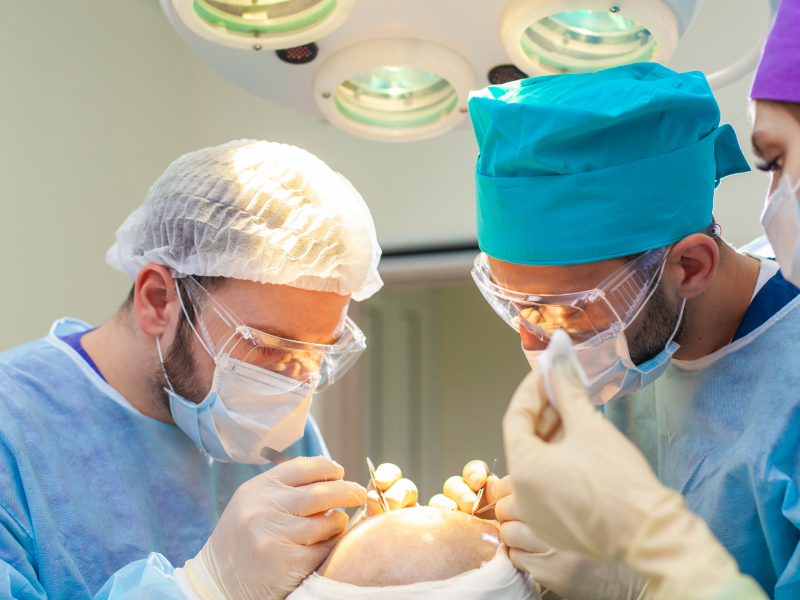
Surgeon involvement influences the planning stage of your transplant, including hairline design, graft distribution, and donor preservation. Those decisions directly affect how natural the transplant looks immediately after surgery and how well it continues to look years later.
Ask directly what proportion of the procedure is performed by technicians versus the surgeon, and don’t accept a vague answer. Ask specifically who designs the hairline, who sets the graft count, and whether the surgeon is present on procedure day itself, not just at the initial consultation.
A large graft count and a “surgeon-led” label on a website don’t guarantee meaningful surgeon involvement on the day itself. Some clinics have the surgeon design the hairline and then leave the rest of the procedure to technicians with only intermittent check-ins.
Treating technician involvement itself as a red flag. It’s standard practice, not a warning sign — the real question is the depth of surgeon oversight layered on top of it.
Every clinic I asked confirmed technicians would perform most of the hands-on work. The clinics worth taking seriously were the ones that answered this directly and unprompted, rather than deflecting the question.
The way a clinic communicates during your consultation usually predicts how it will communicate after you’ve paid. Clear, honest answers build trust, reduce uncertainty, and make it much easier to identify clinics that prioritise patient care over sales.
Note the quality of spoken English, whether you feel pressured to book quickly, and whether direct questions about technician involvement and graft counts get answered transparently.
Mistaking a friendly, responsive sales team for a friendly, responsive clinic — the two aren’t always the same team.
Understanding exactly what your package includes allows you to compare clinics on overall value rather than headline price alone. This reduces the risk of unexpected costs and makes it easier to judge whether paying slightly more actually delivers a better overall experience.
Get a full breakdown of exactly what’s included — surgery, medication, hotel nights, transfers, revision policy — and compare that total against the headline price, not the other way around.
Choosing the lowest quote without checking what’s excluded, then discovering the gaps as hidden costs later.
Conservative donor management protects your finite donor supply, allowing future procedures if your hair loss progresses. Clinics that prioritise preservation over aggressive extraction generally leave patients with more options later in life.
Ask directly whether the clinic discusses donor preservation and future hair loss during consultation, unprompted, rather than only in response to a direct question.
Being impressed by an unusually high graft count without asking what it cost your donor area’s long-term reserves.
Good aftercare provides reassurance during recovery, particularly during the psychologically difficult shock loss phase. Regular follow-up reduces uncertainty, helps identify problems early, and gives patients greater confidence while waiting for their final results to develop. It’s worth noting this is inherently harder to deliver well from abroad than a domestic procedure would be — one more reason the clinic you choose matters more than it would for a local treatment, because you can’t simply walk back in if something needs attention.
If I had to rank these factors by importance, it would look like this:
| Priority | Importance |
|---|---|
| Long-term patient results | ★★★★★ |
| Donor management | ★★★★★ |
| Hairline planning | ★★★★★ |
| Medical standards | ★★★★☆ |
| Reputation | ★★★★☆ |
| Surgeon philosophy | ★★★★☆ |
| Communication | ★★★☆☆ |
| Hotel | ★★☆☆☆ |
| Transfers | ★★☆☆☆ |
| Luxury extras | ★☆☆☆☆ |
| Focus on these | Don’t overvalue these |
|---|---|
| Consistent long-term results | Luxury reception areas |
| Donor preservation | Airport transfers |
| Hairline planning | Fancy marketing videos |
| Surgeon oversight | Instagram followers |
| Medical standards | Large discounts |
| Genuine reputation | Hotel star rating |
The Clinics I Researched
Before choosing a clinic, I contacted around half a dozen of Turkey’s leading providers directly, requesting quotes, package details, and answers to the same set of questions.
What struck me most was how similar the messaging was across every single one. All had capable, English-speaking sales teams who were helpful throughout the process, and all promised amazing results with world-class surgeons. Most had a large volume of reviews, the majority positive. It was genuinely difficult to work out which was “truly” the best — because the honest answer is that there are many great clinics in Istanbul and across Turkey, most offering a good standard of care at a very competitive price, and the final decision often comes down to fine margins rather than one clinic being clearly superior.
Which Clinic Would I Choose If…
There isn’t one objectively best clinic — there’s the best clinic for your priorities. Every clinic below looked convincing on its website; the difference only showed up once I applied the framework above. Here’s how I’d match a clinic to a specific patient situation, based on my own research.

This is the clinic I chose myself, and it’s covered in full in the next section — hospital-affiliated, strong verifiable reputation, competitive pricing, and a lead surgeon who stays genuinely involved throughout.
I’d start by researching HLC. Unlike many high-volume clinics, HLC is known for greater doctor involvement throughout the procedure and a conservative approach to donor management. If having the surgeon personally involved in as much of the procedure as possible is your single biggest priority, I think HLC is one of the strongest places to begin your research. Other respected options worth considering include Dr. Kaan Pekiner and Dr. Koray Erdoğan (ASMED), both well known for their surgeon-led approach.
I’d choose HLC. Their experience sits specifically with higher Norwood stages and lower donor density, where planning conservatively and avoiding overharvesting matters more than it does for an early, stable case.
I’d choose Heva Clinic. Heva’s follow-up process extends well beyond the standard 12-month window most clinics offer — a strong fit if you weight ongoing support heavily, precisely because aftercare from abroad is inherently harder to deliver than a domestic follow-up would be.
Specialist situations
I’d choose Hair Clinic Istanbul (Dr. Cengiz Yaylaci), or a surgeon such as Dr. Oya Şişman. Female hair loss patterns are usually diffuse rather than a defined hairline, and these providers specifically focus on female-pattern restoration and non-shave techniques rather than treating it as a standard male procedure with a different label.
I’d choose Heva Clinic. Afro-textured follicles curve significantly beneath the scalp, which makes extraction technique-sensitive in a way straight hair isn’t. Heva specifically publishes experience with Afro-textured extraction and implantation, rather than treating it as an unlisted variation of standard FUE.
via a non-shave DHI approach, which avoids a full head shave for patients who need to keep working or socialising through the visible recovery period.
 I’d choose Elithair
which runs a European consultation network for exactly this reason.
Different priorities produce different “best” clinics. A patient with advanced Norwood 6 hair loss and limited donor supply is optimising for something different than a woman with diffuse thinning, or a patient whose main concern is minimising technician involvement — which is exactly why this list doesn’t collapse into a single winner.
Why I Ultimately Chose Clinicana
By this point in my research, every clinic still looked good on paper — which is exactly the problem this whole guide is built to solve. Against the framework above, here’s exactly what tipped my decision in Clinicana’s favour over the other clinics I researched.
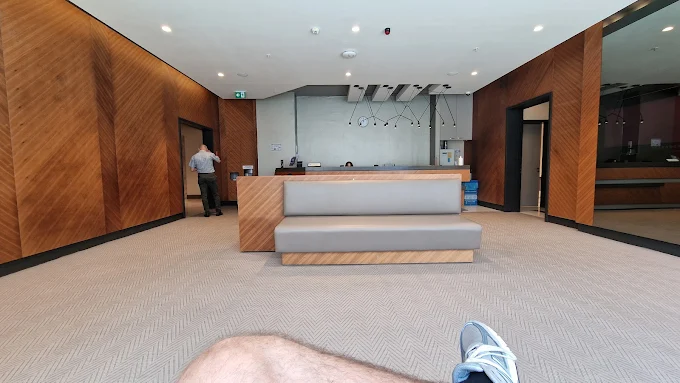
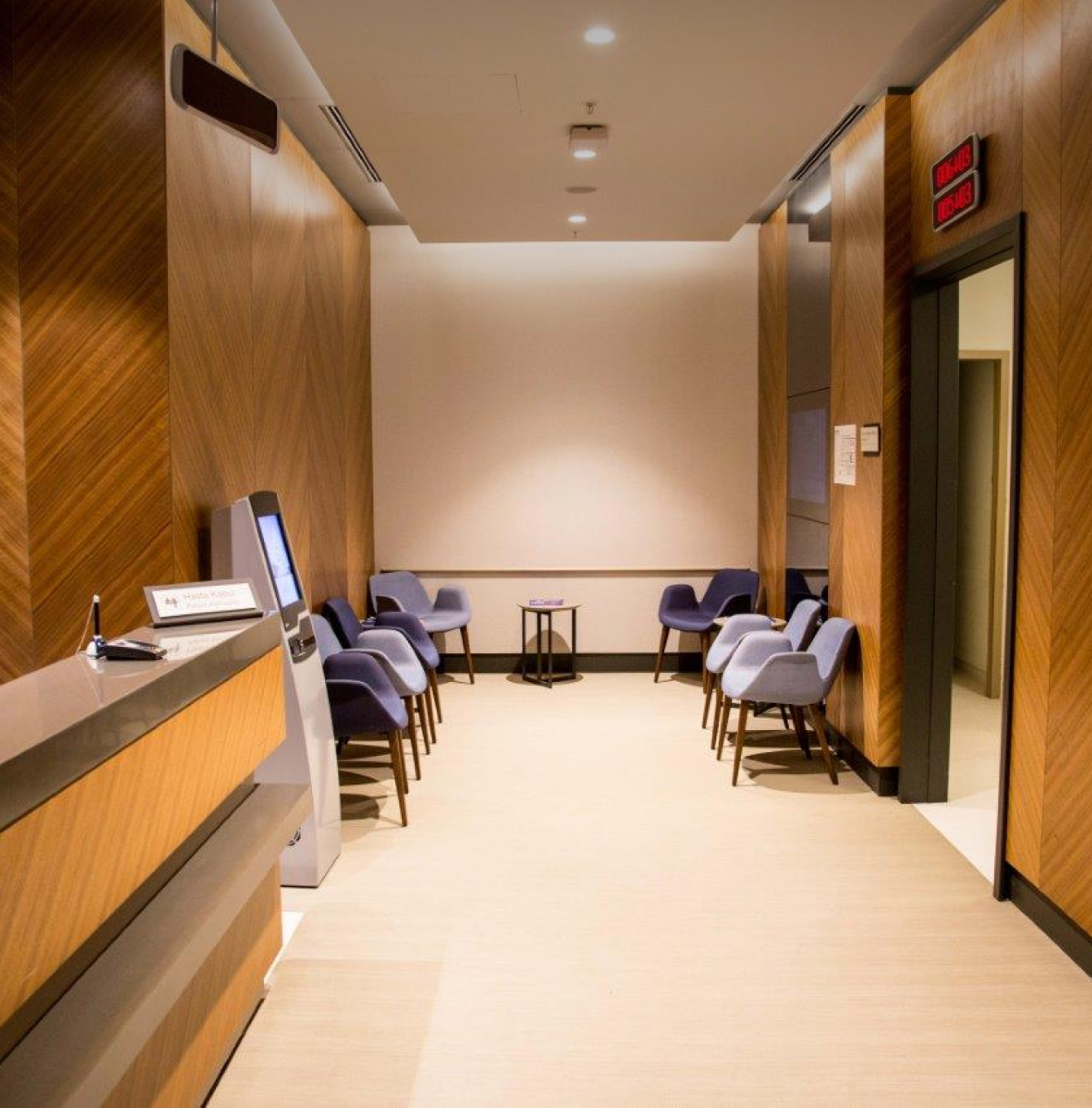

Clinicana’s reputation was very strong, with genuine social proof rather than just a high star rating. Over 5,000 reviews, and critically, many of them included photos taken inside the clinic as well as real before-and-after results — not just polished marketing images. With that volume of consistent, photo-backed social proof, I felt it was unlikely I’d have a bad experience.
Clinicana operates inside Acıbadem, a private hospital in Taksim, Istanbul. Private hospitals of this standard maintain high medical infrastructure standards, which gave me real confidence in the medical setup behind the procedure.
I knew going in that my transplant would be performed largely by trained technicians — that’s standard across high-volume Turkish clinics, not unique to Clinicana. What mattered was that the lead surgeon also oversees the procedure, and I met him in person while I was having mine done.
Clinicana’s package pricing was very competitive. Weighing quality against price across every clinic I researched, Clinicana offered the strongest overall balance — not the cheapest quote on the table, but the best combination of medical standards, surgeon oversight, and price.
What Surprised Me About Clinicana
To keep this honest: nothing about my experience was a major problem, but a few things stood out as genuinely weaker points, or at least surprised me.
The clinic was busier than I expected on procedure day, and I had less one-to-one face time with the surgeon than I’d initially imagined — most of the hands-on work was technician-led, which is common at large, high-volume Turkish clinics rather than unique to Clinicana. The lunch provided at the hospital on procedure day was also a little lacking, a small thing but noticeable on a long surgery day — I understand this has improved slightly since my procedure.
More broadly, aftercare is genuinely harder to manage from a foreign country, full stop — if something feels off at month three, you can’t just walk back into the clinic the way you could with a local dentist or GP. That’s not a Clinicana-specific weakness; it’s true of any clinic in Turkey, and it’s exactly why choosing a good one matters so much in the first place — the better the clinic, the less you should ever need that kind of hands-on aftercare.
Why I’d Still Choose Clinicana Again

Sixteen months on from a 3,800-graft FUE procedure, my hair transplant looks genuinely impressive, and I don’t have any regrets about choosing Clinicana. The procedure itself, and the few days spent in Turkey, were straightforward. The harder part was the waiting game through months one to six, walking around with a bald, pink scalp during the shock loss phase — something I should have prepared myself for mentally rather than being caught off guard by it.
Since then, I’ve learned that red light therapy and HBOT (hyperbaric oxygen therapy) can help — HBOT in particular is worth considering in the first few weeks after the procedure, anecdotally helping with blood flow and healing, though the evidence here is personal experience rather than established medical fact.
Common Mistakes When Choosing a Hair Transplant Clinic
- ✕Choosing the cheapest quote without understanding what’s excluded — often revision procedures, extended hotel stays, or medication.
- ✕Being led by Instagram marketing rather than verified, independent reviews and long-term results.
- ✕Believing “unlimited graft” promises, which usually reflect a fixed-price package rather than genuinely unlimited extraction — donor supply is always finite.
- ✕Not understanding technician involvement. The real question is how closely a licensed surgeon oversees hairline design and quality control, not whether technicians are involved at all.
- ✕Ignoring donor management. A clinic that maximises the headline graft number rather than preserving donor density is prioritising marketing over your long-term hair loss management.
- ✕Overweighting package extras — hotel star rating, airport transfers — relative to medical standards and surgical outcome.
Questions I Wish I’d Asked Every Clinic
Looking back, these are the questions that would have separated the clinics faster than any amount of website reading did.
Who will actually perform each stage of the procedure?
How do you decide the graft count?
What happens if I continue losing hair?
Can I see long-term patient results, not just six-month photos?
What percentage of the procedure does the surgeon personally oversee?
How is aftercare handled once I’m back home?
My Advice If You’re Choosing a Hair Transplant Clinic Today
If I had to make this decision again today, I’d still choose Clinicana, because it offered the strongest balance of quality, value, reputation, and medical standards for my own priorities.
But that doesn’t automatically make it the best clinic for everyone. If your priority is maximum surgeon involvement, advanced Norwood reconstruction, female-specific restoration, or Afro-textured hair experience, another clinic from the comparison above may suit you better. The challenge was never finding a good clinic in Turkey — it was distinguishing between several genuinely good clinics that all looked convincing online.
“Don’t try to find ‘the best clinic.’
Try to find the clinic you’ll still be happy you chose 16 months later.”
 Continue with Google