

I’ve spent considerable time investigating hair transplant practices across Turkey, and I’ll be candid with you—the distinction between “technician-led” and “surgeon-led” procedures isn’t as clear-cut as clinics often present it. You might assume trained hands guarantee safe results, but what actually happens in those operating rooms? That’s where things get complicated. I’m going to walk you through what you really need to know.
What “Technician-Led Surgery” Actually Means in Turkish Hair Transplant Clinics
When you’re researching hair transplant clinics in Turkey, you’ll inevitably encounter the term “technician-led surgery” — and it’ll either reassure you or raise red flags, depending on where you read about it.
Here’s what it actually means: a doctor oversees the procedure, but trained technicians handle extraction, implantation, or both. This delegation of responsibilities is standard practice in high-volume clinics worldwide.
The critical question isn’t whether technicians are involved — it’s their training level and the doctor’s active supervision. You need verification of qualifications. Are these technicians formally trained? Does the doctor remain present throughout, or only at key moments? Turkish clinics vary widely here. Some employ certified surgical technicians; others use less formally trained staff. The difference matters considerably for safety and results. Understanding this distinction helps you ask the right questions when vetting clinics.
When you’re ready to research the best hair transplant clinics in Turkey visit here.
How Turkish Regulation Treats Surgical Roles (and Where the Gaps Are)
Now that you understand what technician-led surgery actually is, the real challenge becomes: how do you verify it’s being done safely?
Turkey’s Ministry of Health regulates clinics but leaves significant gray areas around surgical hierarchy. Here’s what actually matters:
- Surgeon reputation matters more than regulation. The law allows technicians to extract and implant, but doesn’t mandate who oversees the work. Hospital-based clinics typically enforce stricter oversight than standalone facilities.
- Clinic transparency reveals intent. Reputable clinics clearly name the operating surgeon, their qualifications, and the technician’s role. Vague descriptions suggest corners are being cut.
- Accreditation and inspection create accountability. Ministry-certified hospitals face ongoing audits. Unregistered clinics operate with minimal scrutiny.
The gap isn’t what’s legal—it’s what’s standard practice.
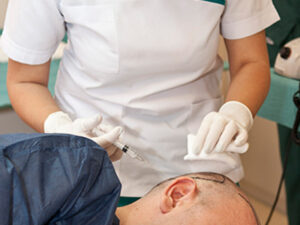
Surgeon-Led vs. Technician-Led: What the Evidence Actually Shows
The most honest answer isn’t what you’d expect: there’s surprisingly little clinical data comparing surgeon-led and technician-led hair transplants directly. Most published studies don’t isolate the surgical model as a variable, making direct comparison difficult.
The real differentiator isn’t title alone. It’s whether a qualified surgeon oversees the entire procedure, reviews extraction and placement decisions, and manages complications. Some technician-led clinics maintain this. Others don’t. That distinction matters more than the label.
What we do know comes from outcome reporting and technical oversight concerns. Surgeon-led clinics typically document higher graft survival rates, though this may reflect selection bias—they tend to attract patients willing to pay premium fees. Technician-led models show comparable results when protocols are standardized and surgeon involvement verification remains consistent.
Red Flags in How Clinics Present Their Team Structure
Much of what separates a trustworthy clinic from a risky one doesn’t show up in before-and-after photos—it shows up in how they talk about their people.
When you’re evaluating a clinic, watch for these warning signs:
- Vague surgeon credentials — If they won’t clearly state qualifications, board certifications, or experience, that’s a red flag. Questionable staff credentials are often hidden behind generic titles.
- Technicians presented as interchangeable — Language suggesting “our team handles most procedures” without naming individuals or their training backgrounds suggests inconsistency.
- No accountability structure — If you can’t identify who’s responsible for your specific procedure, unpredictable postoperative results become harder to address.
Transparent clinics name their surgeons, list their qualifications, and explain exactly who performs what role. This clarity matters.
How to Assess Safety When You Can’t See Inside the Operating Room
Ask directly: Who performs grafts? What’re their surgical training requirements? How many procedures has your specific surgeon completed? Request their credentials—not marketing photos, but verifiable qualifications.
Treatment team transparency matters. A reputable clinic will clearly explain their hierarchy: surgeon, assistants, technicians, and their roles. They’ll answer follow-up questions without deflection.
During my consultation, Clinicana provided detailed credentials and explained exactly who’d be in my operating room. That clarity—combined with their hospital setting—reduced uncertainty greatly.
You’re evaluating honesty and accountability through their answers, not pretending you can verify what happens behind closed doors.
Frequently Asked Questions
If a Technician Operates on Me, Can I Still Claim Medical Negligence or Malpractice in Turkey?
Yes, you can claim malpractice if a technician operates without your informed consent or breaches duty of care. You’ll need evidence they didn’t disclose their role upfront. That’s why you must ask directly: who’s actually performing your procedure? Get it in writing.
Do Technician-Led Clinics Have Higher Infection Rates Than Surgeon-Led Ones in Published Studies?
I haven’t found published studies directly comparing infection rates between technician-led and surgeon-led clinics in Turkey. Patient satisfaction levels and comparative cost analysis suggest quality varies more by clinic standards than by who holds the scalpel.
What Happens if Complications Arise During a Technician-Led Procedure—Who’s Legally Responsible?
The surgeon remains legally responsible, even if a technician performs extraction or implantation. Turkey doesn’t mandate standardized technician training requirements, so oversight protocols vary widely by clinic—meaning accountability often depends on your contract language.
Can I Request a Surgeon-Only Procedure, and Will Clinics Honor That Without Extra Cost?
You can request a surgeon-only procedure, and reputable clinics will honor it—though surgeon availability may affect your timeline. Most won’t charge extra; it’s standard practice at hospital-based facilities. Always confirm during your initial consultation.
How Do I Verify a Surgeon’s Actual Qualifications if the Clinic Lists Multiple Names?
I’d ask the clinic directly for each surgeon’s medical license number and specialty certification. Request their official profile on Turkey’s Health Ministry database. Don’t accept vague titles—insist on transparency about who’s actually performing your procedure.
Is It Safe To Get A Hair Transplant In Turkey?
It is if you choose the right clinic. See our post on the hair transplant Turkey safety for more information.
Conclusion
You’ll find technician-led hair transplants can be safe in Turkey if you’re vigilant. Your best protection is choosing a clinic that transparently shares their team’s qualifications and maintains strict surgeon oversight. Don’t settle for vague answers about who’s actually performing your procedure. Verify credentials, understand the surgeon’s direct involvement, and trust your instincts when something feels off. Your hair—and your safety—deserve that diligence.
 Continue with Google