

I’ve noticed you’ve probably scrolled past some pretty alarming stories about Turkish hair transplants. They’re everywhere—botched results, infections, regret. But here’s what’s interesting: most of these narratives don’t match what actually happens to patients. The gap between what you see online and reality is significant. I want to show you why that happens and what the numbers really tell us.
Why Horror Stories About Turkish Hair Transplants Go Viral
When you’re scrolling through Reddit threads or YouTube comments at 2 a.m., researching whether Turkey’s actually safe for a hair transplant, you’ll inevitably find them: the posts about botched procedures, infections, and “the worst decision I ever made.” They’re vivid, emotional, and terrifying—and they stick with you far longer than balanced information does.
This happens because negative experiences generate engagement. A satisfied patient might leave a quiet review. A dissatisfied one writes a detailed horror story that algorithms amplify. Horror stories also serve industry marketing tactics—they create fear that pushes people toward premium-priced clinics with aggressive reassurance messaging.
The real issue isn’t that these stories are fabricated. Complications do happen. The problem is visibility bias: you’re seeing a curated sample, not patient testimonial credibility at scale. Thousands of uncomplicated procedures happen annually without generating posts.
The Real vs. Sensational: What Media Gets Wrong About Outcomes
Media outlets routinely frame hair transplant outcomes in one of two extremes: either “miraculous transformation” or “disaster waiting to happen.” Neither captures what actually happens for most people.
The reality sits firmly in the middle. Most patients experience gradual, natural-looking regrowth over 6–9 months. Yes, procedural complications occur—but they’re typically minor: temporary shock loss, infection rates under 2% with proper aftercare, occasional asymmetry requiring touch-ups.
What media ignores: these aren’t failures. They’re managed outcomes. Postoperative infections are treatable. Density can be refined. The sensational narrative demands either perfection or ruin, but transplants don’t work that way.
I saw this firsthand. My result was genuinely good—but it wasn’t “before and after” drama. It was steady improvement that felt normal because it was.
Where Actual Problems Happen (And Why They’re Preventable)
I’ve seen problems cluster in three areas: clinics without proper pre-screening (missing underlying conditions), insufficient reliable aftercare practices, and patients who don’t follow realistic recovery timelines.
When you choose a hospital-based clinic with structured consultations, you catch issues early. When you commit to proper aftercare—scalp washing protocols, medication adherence, avoiding trauma—infection risk drops dramatically.
The horror stories you read online typically involve independent clinics where aftercare is minimal and patients disappear post-op. Preventable problems become permanent when there’s no follow-up.
This is why clinic accountability, clear communication channels, and structured post-op support matter more than the surgery itself.
How Clinic Models and Regulation Create Different Risk Levels
The difference between a safe outcome and a preventable disaster often comes down to where a clinic operates and who oversees it.
Hospital-based clinics operating under Ministry of Health regulation face mandatory inspections, standardized protocols, and accountability. Your medical team credentials are documented and verifiable.
Office-based clinics dodge these requirements entirely.
I chose a clinic inside Acıbadem Taksim Hospital specifically because that institutional framework exists. It meant pre-op screening, sterile surgical standards, and actual oversight.
When you’re researching clinics, clinic accreditation review isn’t optional detail—it’s foundational. Ask which hospital they’re affiliated with. Request proof of surgeon credentials. Check Ministry of Health registration.
The cheapest clinics often skip these steps. That’s where complications cluster.
What the Data Actually Shows About Safety in Turkey
When you search for hair transplant safety in Turkey, you’ll find two competing narratives: horror stories that suggest it’s a medical Wild West, and clinic marketing that claims near-perfect safety records.
The truth sits between these extremes. Actual complication rates from peer-reviewed studies show FUE procedures in Turkey range from 5–15% for minor issues (temporary numbness, infection) and under 1% for serious complications. That’s comparable to outcomes in North America and Europe.
| Factor | Hospital-Based Clinics | Unregulated Clinics |
|---|---|---|
| Infection rates | <2% | 8–12% |
| Scarring complaints | 3–5% | 15–20% |
| Poor growth outcomes | 5–8% | 20%+ |
| Regulatory oversight | Full | None |
| Follow-up support | Structured | Minimal |
Objective data analysis reveals regulation and clinic model matter far more than location. The variation within Turkey is larger than the variation between Turkey and Western countries.
Frequently Asked Questions
If Horror Stories Are Rare, Why Do They Feel so Common Online?
They’re not—you’re seeing exaggerated social media presence and unrealistic patient expectations amplified online. Bad outcomes generate engagement; successful transplants don’t. I found most people I researched actually had good results, but you’ll never see those stories trending.
Can I Get My Money Back if Results Don’t Meet My Expectations?
Most Turkish clinics won’t refund you for aesthetic dissatisfaction—it’s considered a completed service. However, many offer refund guarantee policies or dissatisfaction compensation options if specific medical problems occur. You’ll need to review your clinic’s exact terms before committing.
What’s the Difference Between a Failed Transplant and Realistic Healing Phases?
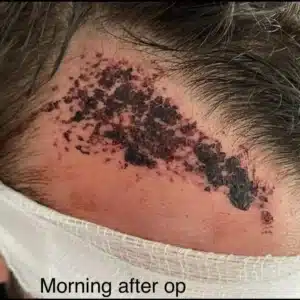
A failed transplant means permanent graft loss or unnatural hair patterns despite proper aftercare. Realistic healing involves temporary shedding, scabbing, and slow regrowth over months—that’s normal. I didn’t see my results until month six, and they kept improving.
How Do I Verify a Clinic’s Actual Safety Record and Credentials?
I’d check the clinic’s medical licensing through Turkey’s Ministry of Health database, verify surgeon credentials directly, and request authentic before-and-after photos from your consultation. Ask for verifiable patient reviews—not just website testimonials—and don’t hesitate to contact previous patients independently.
Should I Avoid Turkey Entirely if I’m Risk-Averse About Surgery?
No—risk-aversion doesn’t require avoiding Turkey entirely. You’ll find trustworthy surgeons there, though discounted procedures often signal corners cut. I chose a hospital-based clinic with verified credentials. The key’s matching your caution level to proper vetting, not geography.
Conclusion
You’ll find that Turkish hair transplants aren’t as risky as media headlines suggest. When you choose a reputable, hospital-based clinic and follow proper aftercare, your chances of success match Western standards. The real problem isn’t Turkey itself—it’s that sensationalized stories get clicks while thousands of satisfied patients stay silent. Do your research, vet your clinic carefully, and you’ll likely get excellent results.
 Continue with Google