

I want to help you understand what really separates a trustworthy Turkish hair transplant clinic from a risky one. You’ve probably heard horror stories about medical tourism gone wrong. But here’s what most people don’t realize: Turkey’s regulatory framework is far more complex than you’d think. Let me show you exactly how it works—and what you should watch for.
The Turkish Ministry of Health and Medical Tourism Licensing Requirements
When you’re researching hair transplant clinics in Turkey, you’ll quickly notice that some operate inside hospitals while others work from standalone offices or aesthetic centers. This difference matters because it reflects Turkey’s regulatory structure.
The Turkish Ministry of Health oversees medical tourism oversight through a standardized licensing procedure. All clinics—regardless of setting—must obtain accreditation and meet safety standards. However, hospital-based clinics operate under additional institutional oversight, meaning they’re subject to hospital regulations beyond individual clinic licensing.
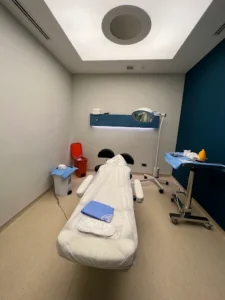
When I chose my clinic in Istanbul, I specifically selected one operating inside Acıbadem Taksim Hospital. This meant the facility underwent Ministry of Health inspection, maintained hospital-grade sterilization protocols, and had emergency infrastructure already in place.
Understanding these regulatory layers helps you evaluate clinics beyond marketing claims.
Hospital-Based vs. Standalone Clinics: Different Regulatory Standards
The regulatory distinction between hospital-based and standalone clinics goes beyond institutional prestige—it shapes how clinics operate day-to-day and what safety infrastructure you’re actually paying for. Hospital-based clinics operate under the hospital’s existing regulatory umbrella, meaning they’re subject to stricter infection control protocols, mandatory emergency response systems, and regular Ministry audits.
Standalone clinics face lighter oversight but must still maintain licensing. The difference affects your patient experience considerably. Hospital settings typically offer on-site laboratory facilities, imaging equipment, and immediate access to additional medical support if needed. Location accessibility matters too—hospital clinics are often centrally positioned near diagnostic services.
I chose a hospital-based clinic in Istanbul partly for this infrastructure assurance, though both models can deliver safe outcomes when properly licensed and managed.
What “Regulation” Actually Means in Turkish Hair Transplant Practice
Because “regulation” gets thrown around like a reassurance without much explanation, it’s worth understanding what it actually involves in Turkey’s hair transplant sector.
In practice, regulation means the Turkish Ministry of Health sets licensing standards, oversight procedures, and infection control requirements. Clinics must maintain certifications, undergo inspections, and document their credentials. However, regulation doesn’t guarantee identical quality across all clinics—it establishes a baseline.
Hospital-based clinics operate under stricter scrutiny because they’re part of larger certified facilities with built-in quality control measures. Standalone clinics follow the same legal requirements but operate with less institutional oversight.
The gap isn’t that one’s regulated and one isn’t. It’s that hospital settings have additional layers of accountability. Understanding this distinction helps you evaluate clinics beyond their marketing claims.
Red Flags: How to Spot Unregulated or Illegally Operating Clinics
Watch for clinics operating outside hospital settings without proper licensure. Unlicensed facilities often hide in office buildings or converted spaces—they’re cheaper to run, which is why prices seem suspiciously low.
Check staff credentials directly. Illegal staffing practices include surgeons who aren’t board-certified or nurses performing procedures they’re not qualified for. Ask for verification; legitimate clinics provide it freely.
Red flags include cash-only payments, reluctance to provide written contracts, and vague aftercare plans. If a clinic avoids direct answers about their regulatory status or hospital affiliation, that’s a warning.
I chose a hospital-based clinic partly because the infrastructure itself was verifiable. That transparency matters.
Why Regulation Matters More Than You Might Think
Regulation isn’t just bureaucratic box-ticking—it’s your primary safeguard when you’re traveling abroad for surgery. When a clinic operates under thorough medical oversight—like those inside accredited hospitals—you’re protected by actual accountability structures. If something goes wrong, there’s a paper trail, institutional liability, and recourse through formal channels.
Nuanced licensing standards matter because they separate legitimate surgical facilities from unregulated spaces. A clinic with proper Ministry of Health certification has met staffing requirements, equipment standards, and hygiene protocols. An unregistered operation hasn’t.
I chose a hospital-based clinic partly for this reason: the institutional framework meant my procedure was documented, my surgeon credentialed, and my aftercare traceable. That documentation protected me—not just legally, but medically. Regulation transforms a transaction into a verifiable medical experience.
Frequently Asked Questions
If a Clinic Is Licensed, Does That Guarantee My Results Will Be Good?
No. A clinic’s accreditation and a surgeon’s qualifications tell you they meet baseline safety standards—not that you’ll get excellent results. Your outcome depends on the surgeon’s skill, your hair characteristics, and realistic expectations.
Can I Check a Clinic’s Regulatory Status Myself Before Booking?
Yes, you can. I’d recommend checking the clinic’s accreditations directly through Turkey’s Ministry of Health database, reviewing their hospital affiliations, and evaluating the clinic’s industry standing via verified patient platforms and medical board registrations.
What Happens Legally if Something Goes Wrong With an Unregulated Clinic?
You’ll struggle to pursue legal liability claims against unregulated clinics—they operate outside Turkey’s health system, leaving you without official medical records or institutional accountability. Medical malpractice lawsuits become extremely difficult and costly to prove.
Are Turkish Regulations as Strict as Those in My Home Country?
I can’t give you a simple yes or no—it depends on your country. Turkey’s regulatory oversight focuses on hospital accreditation and surgeon licensing, but compliance standards differ substantially from the UK, US, or Australia. What matters is *where* you choose to be treated.
How Do I Know if a Clinic’s “Before and Afters” Are Actually Real?
I’d verify before-and-afters by checking independent review platforms, asking the clinic for unedited patient photos, and researching their reputation across multiple sources. Look for consistent results across different patients—that’s your best indicator of authenticity.
Conclusion
You’ll find that choosing a regulated Turkish clinic genuinely protects your investment and health. The Ministry of Health’s oversight, whether you pick a hospital-based or certified standalone facility, means you’re getting traceable, accountable care. Don’t compromise by overlooking certifications or red flags—regulation isn’t bureaucratic overhead; it’s your safeguard. When you verify credentials before booking, you’re not just selecting a clinic; you’re choosing peace of mind.
 Continue with Google