

I’ve seen too many patients regret their decision to choose a hair transplant clinic in Turkey without doing proper research. You might think you’re saving money, but cutting corners on credentials, aftercare, and transparency often costs you far more in the long run. If you’re considering this procedure, you’ll want to know exactly what warning signs should make you walk away immediately.
No Verifiable Medical Credentials or Hospital Affiliation
When you’re researching hair transplant clinics in Turkey, one of the first red flags you’ll encounter is a clinic with no verifiable credentials, no hospital affiliation, and no clear information about who’s actually performing your procedure.
Legitimate clinics operating within regulated hospitals—like the setting where I’d my transplant—display their accreditation openly. They publish surgeon qualifications, staff credentials, and sterilization protocols without hesitation.
Clinics lacking this transparency often have hidden agendas. They may employ technicians rather than surgeons, rotate staff without disclosure, or operate outside health ministry oversight. When a clinic can’t or won’t verify who’s handling your scalp, that’s not discretion—it’s a deliberate lack of transparency.
Ask directly: Where’s your hospital affiliation? Who’s the lead surgeon? What certifications do they hold? If you get vague answers, keep looking.
Pricing That Seems Too Cheap Compared to Established Clinics
Because hair transplant pricing in Turkey varies wildly—sometimes by thousands of dollars for seemingly identical procedures—you’ll inevitably encounter clinics quoting prices that look suspiciously low compared to established competitors.
That gap often signals cost-cutting elsewhere: fewer grafts implanted than promised, less experienced surgical teams, or corners cut on sterility and aftercare. When I researched clinics before my January 2025 procedure, I noticed that hospitals with verifiable quality audit reports and documented surgeon qualifications charged consistently higher fees. They weren’t pricing arbitrarily—they were pricing transparently.
If a clinic’s quote is dramatically lower, ask directly: What’s different in their surgical protocol? Where do they reduce expenses? Legitimate clinics can explain their pricing. Ones that deflect or get defensive? That’s worth treating as a red flag.
Pressure to Book Quickly or Pay Upfront Before Consultation
When you’re researching clinics, you might encounter pressure to book before you’ve even had a proper consultation—or demands for a deposit before the clinic’s assessed whether you’re actually a candidate for the procedure. I’ve noticed this tactic shows up most often from clinics operating on thin margins, where securing payment upfront matters more than getting your case right.
But here’s what’s important: a legitimate consultation never rushes you, and no reputable clinic needs your money before they understand your hair loss pattern, skin type, and realistic expectations.
Urgency As A Sales Tactic
One of the clearest warning signs in the Turkish hair transplant industry is a clinic pressuring you to commit money or a booking date before you’ve had a proper consultation.
Legitimate clinics don’t rush. They want to understand your hair loss pattern, scalp condition, and expectations first. Pressure tactics—”limited availability,” “special offer ending today,” “deposit needed now”—typically signal lack of transparency and hidden fees down the line.
| Red Flag | What It Means | What You Should Do |
|---|---|---|
| “Book now or lose your slot” | Artificial scarcity to force decisions | Walk away |
| Upfront payment before consultation | They’re not confident in assessment | Request video consultation first |
| Vague pricing structures | Hidden costs will appear later | Ask for itemized breakdowns |
A clinic worth choosing will let you think, ask questions, and decide on your timeline—not theirs.
Payment Before Proper Assessment
If a clinic asks you for money before you’ve had a proper consultation, that’s a fundamental warning sign.
A legitimate clinic needs to assess your hair loss, scalp condition, and expectations before quoting a price. They can’t know what you need without examining you first—either in person or via detailed video consultation.
Be cautious of pre-procedure deposit requirements that lack transparent refund policies. You should understand exactly what happens to your money if you change your mind, if the clinic cancels, or if you’re deemed unsuitable for surgery.
Reputable clinics separate assessment from payment. They’ll consult you thoroughly, explain findings clearly, then discuss costs and deposit terms with full clarity about refund conditions.
If payment pressure comes before proper evaluation, walk away.
Legitimate Consultation Never Rushes
Pressure to book quickly or pay upfront before you’ve had a proper consultation isn’t a sales tactic—it’s a red flag. A legitimate clinic invests time in thorough exploration of your hair loss, goals, and medical history. They’ll discuss realistic outcomes, recovery expectations, and whether you’re actually a suitable candidate.
When I’d my consultation at Clinicana, they didn’t rush me toward payment. Instead, they asked detailed questions, examined my scalp carefully, and explained the process transparently. Full transparency means answering your questions without time pressure.
If a clinic is hurrying you into a deposit before you’ve discussed specifics—graft count, technique, expected density—they’re prioritizing revenue over your outcome. Legitimate clinics understand that confident patients book faster than pressured ones.
Poor Quality Before-and-After Photos or Unwillingness to Share Them
Before-and-after photos are your most direct window into what a clinic can actually deliver—yet they’re also where marketing and reality diverge most sharply.
Red flags in unreliable clinic provided photographic evidence include:
- Unclear photography quality – Blurry angles, poor lighting, or inconsistent framing hide true results
- Selective galleries – Only showing best cases while refusing to discuss average outcomes (see the best hair transplant clinics in Turkey)
- Reluctance to share raw images – Clinics hiding unedited photos suggest edited or unrepresentative results
- Vague patient details – No timeline, graft count, or baseline information to contextualize growth
When I reviewed clinics during my research, I prioritized those offering transparent galleries with consistent lighting, multiple angles, and honest timelines. A quality clinic welcomes detailed questions about specific cases and provides context, not just aesthetically curated highlights.
Vague Aftercare Plans or No Structured Follow-Up Support
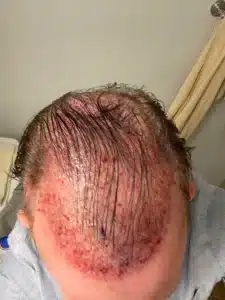
I realized during my own recovery that aftercare isn’t something you want to figure out on the fly—it’s when the real work of protecting your transplant happens. The difference between clinics often comes down to whether they’ve built a structured plan you can actually follow, or whether you’re left guessing what to do after you leave.
Let me show you what that looks like in practice, and what red flags should make you walk away.
What Structured Aftercare Looks Like
While many clinics hand you a printed sheet of post-op instructions and wish you well, structured aftercare is something entirely different—and it’s where the gap between a good result and a great one often forms.
What I experienced at my hospital-based clinic included:
- A structured medication schedule with specific timing, dosages, and duration for antibiotics and anti-inflammatories
- Scheduled remote check-ins at defined intervals (week one, two, month one) via WhatsApp with your surgical team
- Clear escalation pathways—who to contact if complications arise, available 24/7
- Scalp care protocols with professional washings and guided home maintenance instructions
This isn’t optional guidance. It’s active monitoring. Your surgeon remains accountable for your healing, not just your surgery. That difference matters enormously when unexpected symptoms emerge weeks later.
Red Flags In Follow-Up Practice
When a clinic’s aftercare plan consists of a printed handout and a “call us if something goes wrong,” you’ve spotted one of the clearest warning signs that follow-up care isn’t built into their model—it’s an afterthought.
Legitimate clinics schedule you for specific checkups: scalp assessments at one week, two weeks, and three months. They provide direct contact channels—not just email—and assign a dedicated person to your case. They document progress with photos and maintain verifiable business records of your treatment timeline.
Red flags include no scheduled appointments, vague timelines, or unreachable support after you’ve left Turkey. Transparent ownership details and structured follow-up protocols matter because they show accountability. If a clinic can’t demonstrate how they’ll support your recovery, they’re signaling that your outcome isn’t their responsibility.
High Staff Turnover or Inconsistent Surgical Teams Between Patients
One legitimate concern that surfaces in online forums is whether you’ll see the same surgeon and surgical team from your initial consultation through to your procedure—and whether that consistency matters.
High staff turnover is a real issue at some clinics, but inconsistent surgical teams don’t automatically signal poor quality. Here’s what actually matters:
- Surgeon qualifications remain constant — the lead surgeon’s credentials and experience don’t change between visits
- Assistants rotate regularly — standard practice at larger clinics; doesn’t compromise safety
- Consultation continuity is key — your surgeon should review your case before operating
- Hospital-based settings guarantee oversight — institutional protocols standardize care regardless of staff changes
What you’re really evaluating is whether the clinic maintains professional standards and clear communication, not whether you see identical faces throughout.
Negative Patterns in Independent Patient Reviews Beyond Isolated Complaints
How do you spot the difference between a patient who’d a genuinely bad experience and a clinic that’s systematically failing?
Look for patterns, not outliers. One negative review doesn’t signal danger. But when you see consistent complaints across independent patient reviews—infection rates, botched hairlines, unresponsive aftercare, or missing grafts—you’re looking at a structural problem.
Red flags include clinics that delete criticism, use fake testimonials, or employ unethical marketing practices to overshadow legitimate concerns. Cross-reference Google, Trustpilot, and Reddit. If independent platforms show recurring issues that the clinic’s own website ignores, that’s telling.
I reviewed multiple clinics before choosing mine. The ones with transparent patient reviews and honest acknowledgment of complications felt more credible than those with suspiciously perfect ratings.
Patterns reveal truth. Trust them.
Clinic Operates as a Standalone Facility Without Regulatory Oversight
Because regulatory oversight directly affects your safety, the clinic’s operational structure matters more than its marketing promises (see our post about hair transplant Turkey safety).
A standalone clinic operating without hospital affiliation or industry accreditations presents genuine risk.
- No external inspection of sterilization protocols or infection control standards
- Medical facilities not up to code, with no third-party verification
- Limited accountability if complications arise post-procedure
- Absence of emergency surgical backup if something goes wrong during your transplant
When a clinic operates independently, there’s no regulatory body checking equipment maintenance, staff qualifications, or surgical protocols. Turkey does have national health regulations, but enforcement varies considerably. Hospital-based clinics—those operating within certified private hospitals—are subject to Ministry of Health oversight and regular inspections.
This structural difference isn’t marketing spin. It’s measurable protection.
Frequently Asked Questions
How Can I Verify a Clinic’s Actual Surgical Success Rates if They Won’t Share Detailed Data?
You won’t find perfect surgical success rates anywhere—clinics guard data fiercely. Instead, I’d check the clinic’s publicly available case studies, validate credentials of medical staff through Turkish health registries, and read verified patient reviews on independent platforms rather than their own site.
What Should I Do if a Clinic I’m Interested in Has Mixed Reviews but Mostly Positive Feedback?
Mixed reviews don’t automatically disqualify a clinic—I’d focus on review overall patient satisfaction trends rather than isolated complaints. Contact the clinic directly, ask specific questions about concerns you’ve noticed, and consider seeking additional medical opinions before committing.
Can a Cheaper Clinic Still Deliver Good Results, or Is Price Always an Indicator of Quality?
Price doesn’t guarantee quality, but it’s rarely irrelevant. I’ve seen cheaper clinics deliver solid results—what matters is clinic reputation, surgeon credentials, and customer satisfaction reviews, not just the invoice total.
How Do I Know if a Clinic’s Before-And-After Photos Have Been Digitally Altered or Cherry-Picked?
I’d start with reverse image searches—you’ll spot if photos appear elsewhere online or across multiple clinics’ websites. Then look for inconsistencies: lighting changes, angle shifts, or suspiciously perfect hairlines. Real results show natural variation.
What Specific Aftercare Questions Should I Ask During Consultation to Assess a Clinic’s Commitment?
You should ask them to outline their aftercare timeline expectations in writing—specifically when you’ll see scabbing resolve, shedding patterns, and regrowth milestones. Clarify their post-op communication protocols: how they’ll contact you, response times, and whether support continues after you’ve left Turkey.
Conclusion
You shouldn’t gamble with your hair restoration by overlooking these warning signs. I’d urge you to verify credentials, compare pricing carefully, and resist pressure tactics. You’ll want to review authentic patient testimonies and demand thorough aftercare plans. By staying vigilant about these red flags, you’re protecting yourself from costly mistakes and poor results. Your due diligence now prevents regret later.
 Continue with Google